
Low-Mileage Coverage After Retirement — Florida
Compare Auto Rates for Senior DriversYou Stopped Commuting But Your Rate Didn't Drop
You retired six months ago. Your 47-mile commute to Tampa ended. You drive to the grocery store twice a week, church on Sundays, and a doctor's appointment every few months. Your odometer rolled maybe 3,800 miles last year. Your auto insurance premium at renewal? Unchanged. The carrier is still pricing you as though you drive 13,000 miles annually because no one told them otherwise.
Florida insurers use mileage as a rating factor but most do not automatically adjust your premium when your driving pattern changes. The policy renews at the mileage estimate you gave them three years ago when you were still working. Unless you call your agent, request a mileage review, and provide current odometer documentation, you stay in the higher-mileage tier indefinitely.
“Carriers price the mileage you reported at application, and retirement changes your pattern but not your rate unless you ask.”

Put These Answers to Work on Your Rate
Compare Auto Rates for Senior Drivers$10,000
Florida Property Damage Minimum
Florida does not require traditional bodily injury liability for in-state drivers. The state mandates $10,000 property damage and $10,000 PIP. Low-mileage retirees often carry higher limits to protect retirement assets, but the minimum is the floor every policy must meet regardless of annual miles driven.
Florida Department of Highway Safety and Motor Vehicles
What Florida Law Requires Versus What Carriers Offer
Florida law requires insurers to offer a mature-driver discount to operators aged 55 and older. The statute does not fix the discount percentage: each insurer sets its own amount. The discount applies when you complete a state-approved defensive driving course. It is age-based but triggered by course completion, not automatically applied at your 55th birthday.
Low-mileage discounts are not mandated by Florida statute. Carriers offer them voluntarily as underwriting tiers. Progressive, State Farm, Geico, Allstate, and Nationwide all publish low-mileage programs, but each defines the threshold differently. One carrier's low-mileage tier starts at 7,500 annual miles; another's starts at 5,000. The tier you qualify for depends entirely on which carrier writes your policy and what mileage bracket their underwriting manual defines.
The mature-driver discount and the low-mileage discount stack when both apply. Completing the approved course gets you the age-based discount. Providing odometer proof showing reduced annual mileage moves you into the low-mileage tier. Neither happens unless you ask. Carriers do not re-evaluate your mileage or prompt you to submit a course certificate at renewal.
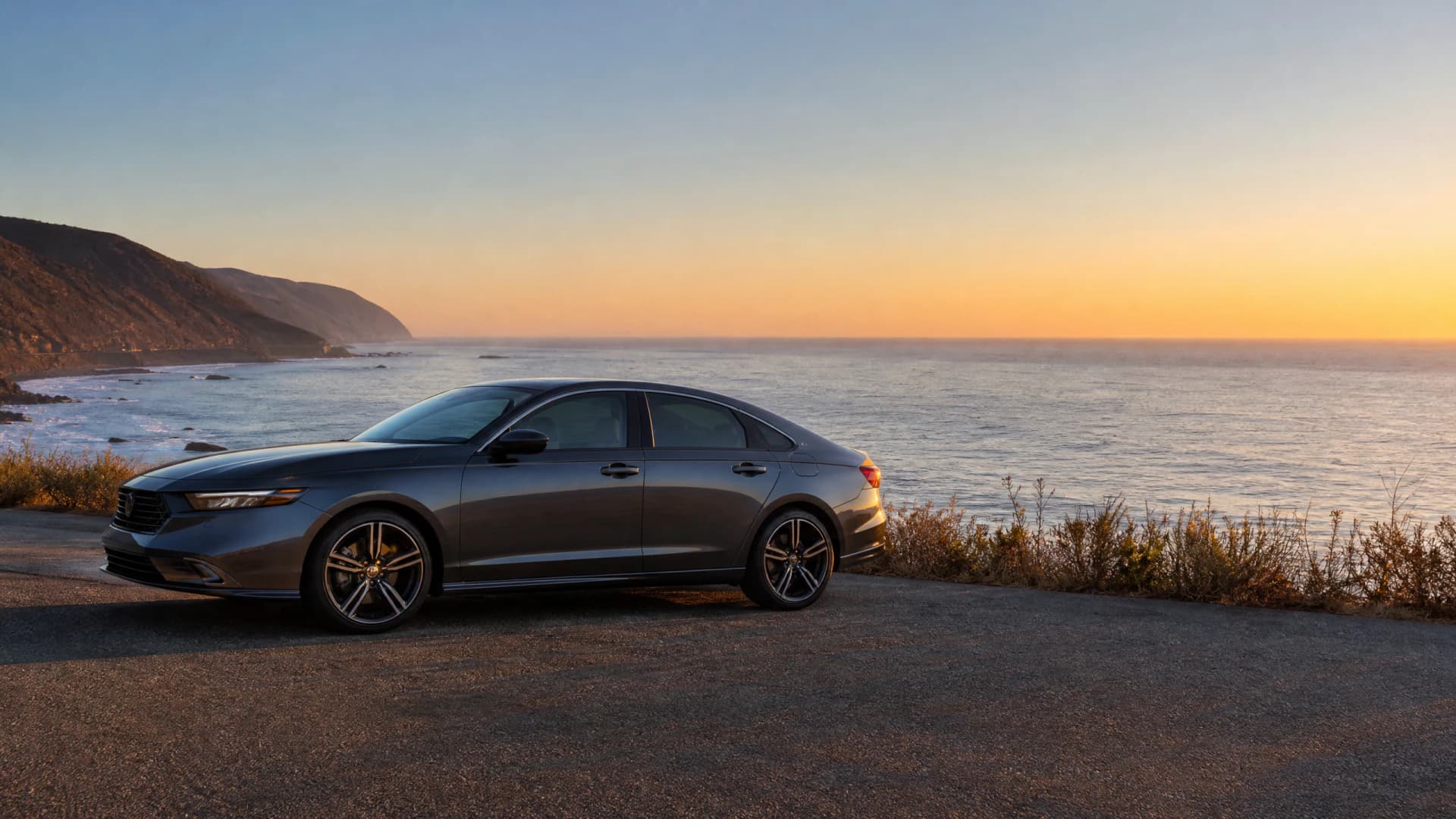
Your carrier prices the mileage you reported at application. Retirement changes your driving pattern but not your rate tier unless you request the adjustment and provide proof.
Related Articles







Florida Course Requirements for the Age-Based Discount
Florida Statutes Section 627.0652 requires insurers to offer a mature-driver discount to operators aged 55 and older who complete an approved traffic safety course. The statute does not fix the discount amount. Each insurer sets the percentage, and you must ask what theirs is.
The course must appear on the Florida Department of Highway Safety and Motor Vehicles approved provider list. AARP Driver Safety, AAA Roadwise Driver, and National Safety Council Defensive Driving all hold state approval. The course is typically four to eight hours, offered online or in-classroom format. Completion generates a certificate with a state course identification number. You submit the certificate to your carrier; the discount applies at the next renewal.
The certificate expires after three years. Florida does not require automatic renewal notices from insurers when your certificate nears expiration. If you do not complete a new course and submit a new certificate before the three-year mark, the discount drops off at the following renewal. Most carriers do not notify you. You lose the discount and your premium increases unless you re-enroll, complete the course again, and submit the new certificate.
The mature-driver discount stacks with the low-mileage discount when both apply. Complete the course to activate the age-based discount. Request the mileage adjustment separately with odometer proof. The two discounts operate on different underwriting factors and both appear as line-item adjustments on your policy declarations page.
25
Carriers Writing in Florida
Florida's large senior population and high insurance penetration draw both preferred and non-standard carriers. State Farm, Geico, Progressive, Allstate, and Nationwide all write policies for retirees and offer online quoting. Availability of low-mileage programs and the mature-driver discount percentage varies by carrier.
Carrier state availability data

Coverage Fit When Your Vehicle Is Paid Off
Retirement often coincides with owning your vehicle outright. No lienholder requires comprehensive coverage or collision anymore. The decision to keep or drop those coverages becomes yours. The conventional threshold: if your vehicle's current market value is less than ten times your annual premium for comprehensive and collision combined, consider dropping both and carrying liability insurance only.
Florida does not require comprehensive or collision coverage by statute. The state mandates $10,000 property damage liability and $10,000 personal injury protection. If you drop comprehensive and collision, you accept the risk of paying out-of-pocket to replace your vehicle after a covered loss. For a 12-year-old sedan worth $4,200, paying $680 annually for comprehensive and collision often does not pencil. For a three-year-old vehicle worth $22,000, it usually does.
Retirees on fixed income often shift liability limits upward when dropping comprehensive and collision. The premium savings from eliminating physical damage coverage funds higher bodily injury limits. Florida's $10,000 property damage minimum exposes your retirement assets in an at-fault accident. Moving to 100/300/100 liability costs less than you saved by dropping collision, and the liability increase protects the home equity and retirement accounts you spent decades building.
Request Both Adjustments Before Your Renewal Date
The low-mileage tier adjustment and the mature-driver course discount both require action before your renewal processes. Carriers generate renewal documents 30 to 45 days before your policy anniversary. Once the renewal is issued, mid-term changes require an endorsement and some carriers will not process mileage or discount adjustments until the next full renewal cycle.
Set a calendar reminder 60 days before your renewal date. Call your agent or access your carrier's portal. Request the mileage review with current odometer proof. Confirm that your mature-driver course certificate is on file and has not expired. If the certificate expired, re-enroll in an approved course immediately. Most online courses allow completion in one sitting; classroom courses require advance registration but finish in a single day. Submit the new certificate as soon as you receive it so the carrier has time to apply the discount before renewal processing begins.

Compare Carriers That Price Low-Mileage Retirees Fairly
Not all carriers weight mileage reduction the same way in their rate algorithms. Some apply a modest percentage adjustment; others restructure the entire risk tier. If your current carrier's low-mileage discount feels underwhelming after you provided odometer proof, compare quotes from carriers that explicitly market to retirees.
State Farm, Nationwide, and The Hartford all publish materials targeting low-mileage senior drivers. Geico's mileage-based rating is aggressive for sub-5,000 annual miles. Progressive offers Snapshot, a telematics program that tracks actual miles driven and adjusts rates accordingly. Request quotes from at least three carriers. Provide your actual annual mileage estimate, your mature-driver course completion, and your current coverage limits. The difference in premium between a carrier that underweights mileage and one that prices it prominently can exceed $400 annually for a retiree driving under 5,000 miles.
How to Request the Low-Mileage Tier
Call your agent or log into your carrier's online account portal. Request a mileage review. The carrier will ask for your current odometer reading and may require a dated photograph of the odometer display or a signed mileage attestation form. Some carriers accept emailed photos; others mail a form you must complete and return. State Farm, Geico, and Progressive allow mileage updates through their mobile apps with a photo upload. Allstate and Nationwide typically require agent involvement.
The carrier re-rates your policy based on the new annual mileage estimate. If your current mileage qualifies for a lower tier, the adjustment applies at your next renewal or, for some carriers, immediately as a mid-term endorsement with a prorated refund. If your estimate was 12,000 miles and your current odometer shows you drove 3,200 miles over the past 12 months, the carrier moves you into the sub-5,000 or sub-7,500 bracket depending on their underwriting tiers. The discount percentage varies by carrier and is not published in rate filings.
Get Your Free Quote
Compare Auto Rates for Senior DriversFrequently Asked Questions
How do I prove my mileage dropped after retirement?
Take a dated photograph of your odometer and compare it to the odometer reading on your last policy application or renewal. Calculate annual miles driven by dividing the difference by the number of months and multiplying by 12. Most carriers accept an emailed photo or a signed mileage attestation form. Some allow uploads through their mobile app.
Does the Florida mature-driver discount apply automatically at age 55?
No. Florida law requires insurers to offer the discount to drivers 55 and older, but you must complete a state-approved defensive driving course and submit the certificate to your carrier. The discount does not activate based on age alone. Each insurer sets its own discount percentage.
Can I request a mileage adjustment mid-policy or only at renewal?
Most carriers allow mid-term mileage adjustments with a prorated premium refund if the new mileage qualifies for a lower tier. State Farm, Geico, and Progressive process mid-term adjustments. Some carriers require you to wait until renewal. Call your agent to confirm your carrier's policy.
What happens if my mature-driver course certificate expires?
The discount drops off at your next renewal after expiration. Florida certificates are valid for three years. Most carriers do not send expiration reminders. You must re-enroll in an approved course, complete it, and submit the new certificate before your renewal date to maintain the discount.
Should I drop comprehensive and collision on a paid-off vehicle?
If your vehicle's market value is less than ten times your annual premium for comprehensive and collision combined, dropping both and carrying liability only often makes financial sense. For a vehicle worth $4,000 with $650 annual physical damage premium, the math favors dropping coverage. For a newer vehicle worth $20,000, keep both.
Do the mature-driver discount and low-mileage discount stack?
Yes. The mature-driver discount applies when you complete an approved course. The low-mileage discount applies when you provide odometer proof showing reduced annual miles. Both appear as separate line items on your policy declarations. Request both adjustments to maximize savings.