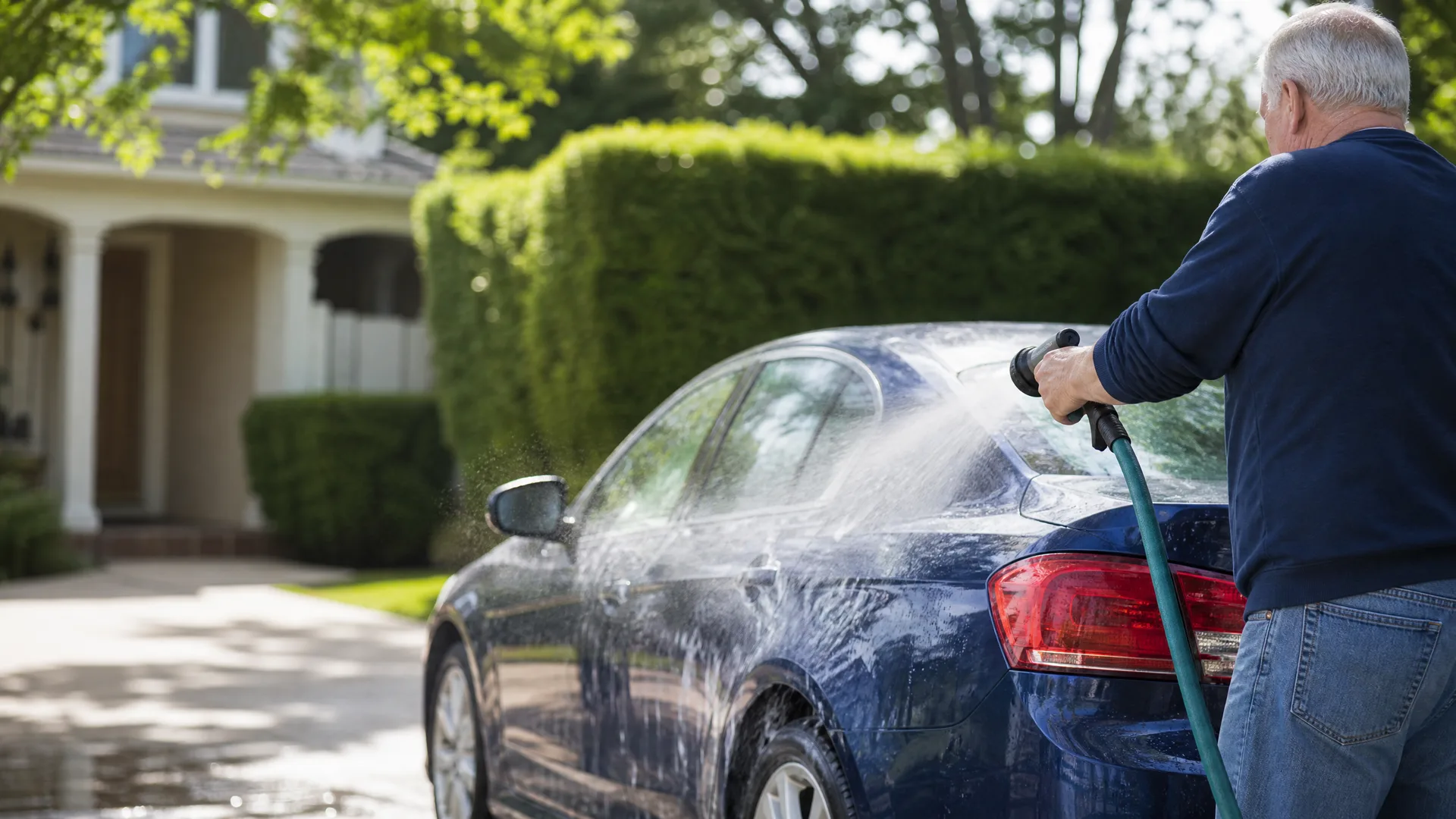
Senior Driver Car Insurance in Minnesota: What Changes After 65
Compare Auto Rates for Senior DriversWhy Minnesota Auto Insurance Rates Rise After 65—Even With a Clean Record
Most Minnesota drivers aged 65–70 with clean records pay between $95 and $140 per month for full coverage, but those same drivers often see rates climb 15–25% by age 75. The increase isn't driven by your driving history—it reflects actuarial data showing claim frequency rises modestly after 70, primarily from at-fault accidents during left turns and backing maneuvers. Minnesota insurers price this risk into their age bands, and unlike some states, Minnesota law doesn't prohibit age-based rating for drivers over 65.
The rate curve steepens noticeably after 75. A 78-year-old Minnesota driver with the same coverage and driving record as their 68-year-old neighbor might pay $180–$220 monthly—nearly 40% more—even if neither has filed a claim in years. This pricing reality frustrates many senior drivers who correctly point out they drive fewer miles and avoid rush hour, but carriers set rates based on pooled risk across all policyholders in your age bracket, not individual driving patterns.
You can offset some of this increase through discounts specifically designed for senior drivers, but here's the catch: most Minnesota insurers require you to request them. If you turned 65, renewed your policy, and expected your carrier to automatically apply a mature driver discount, you likely left money on the table. The average unclaimed discount among eligible Minnesota seniors is $200–$300 annually—enough to counteract much of the age-related rate increase.
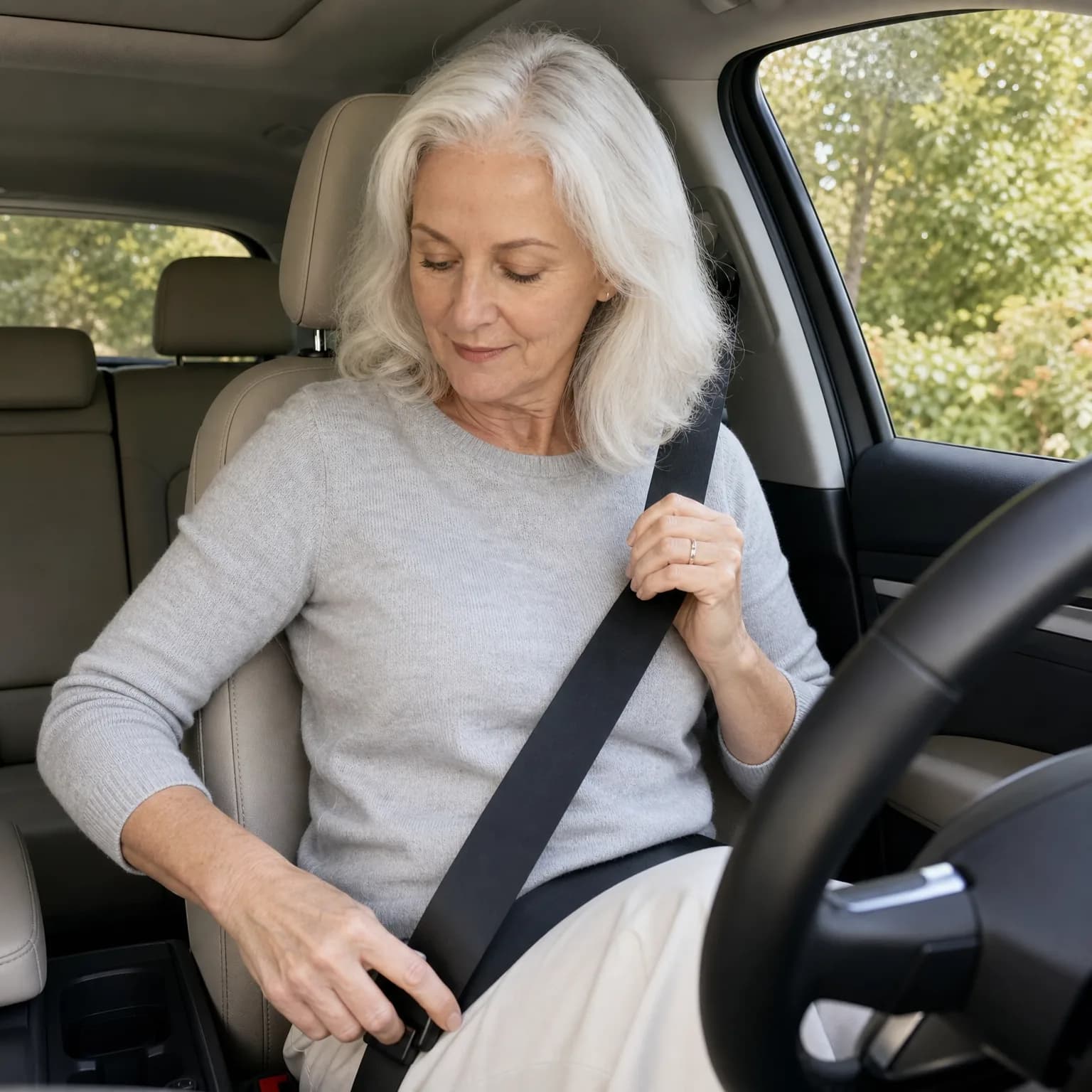
Mature Driver Discounts in Minnesota: How to Claim What You've Earned
Minnesota offers mature driver improvement courses approved by the Department of Public Safety, and completion typically qualifies you for a 5–15% premium discount depending on your carrier. State Farm, American Family, and Auto-Owners—three of Minnesota's largest auto insurers—all offer these discounts, but none apply them automatically. You must complete an approved course (usually 4–8 hours, available online or in-person through AARP, AAA, or the National Safety Council), then submit your certificate to your insurer and explicitly request the discount.
The course requirement renews every three years in most cases. If you completed a mature driver course at age 66, your discount expires around age 69 unless you retake the course and resubmit documentation. Many Minnesota seniors report their carriers never sent a reminder before the discount lapsed—rates simply increased at the next renewal. Set a calendar reminder 90 days before your three-year anniversary to register for a refresher course, because most insurers require the new certificate before your renewal date to maintain continuous discount coverage.
Not all courses qualify. Minnesota's Department of Public Safety maintains a list of approved providers, and your insurer may have additional restrictions. Before paying for any course, call your carrier and ask two specific questions: which course providers they accept, and what documentation format they require. Some insurers accept digital certificates; others demand original signed documents mailed within 30 days of completion. Clarifying these details before you invest time and money prevents the frustrating scenario where you complete a course only to learn your carrier doesn't recognize that particular provider.
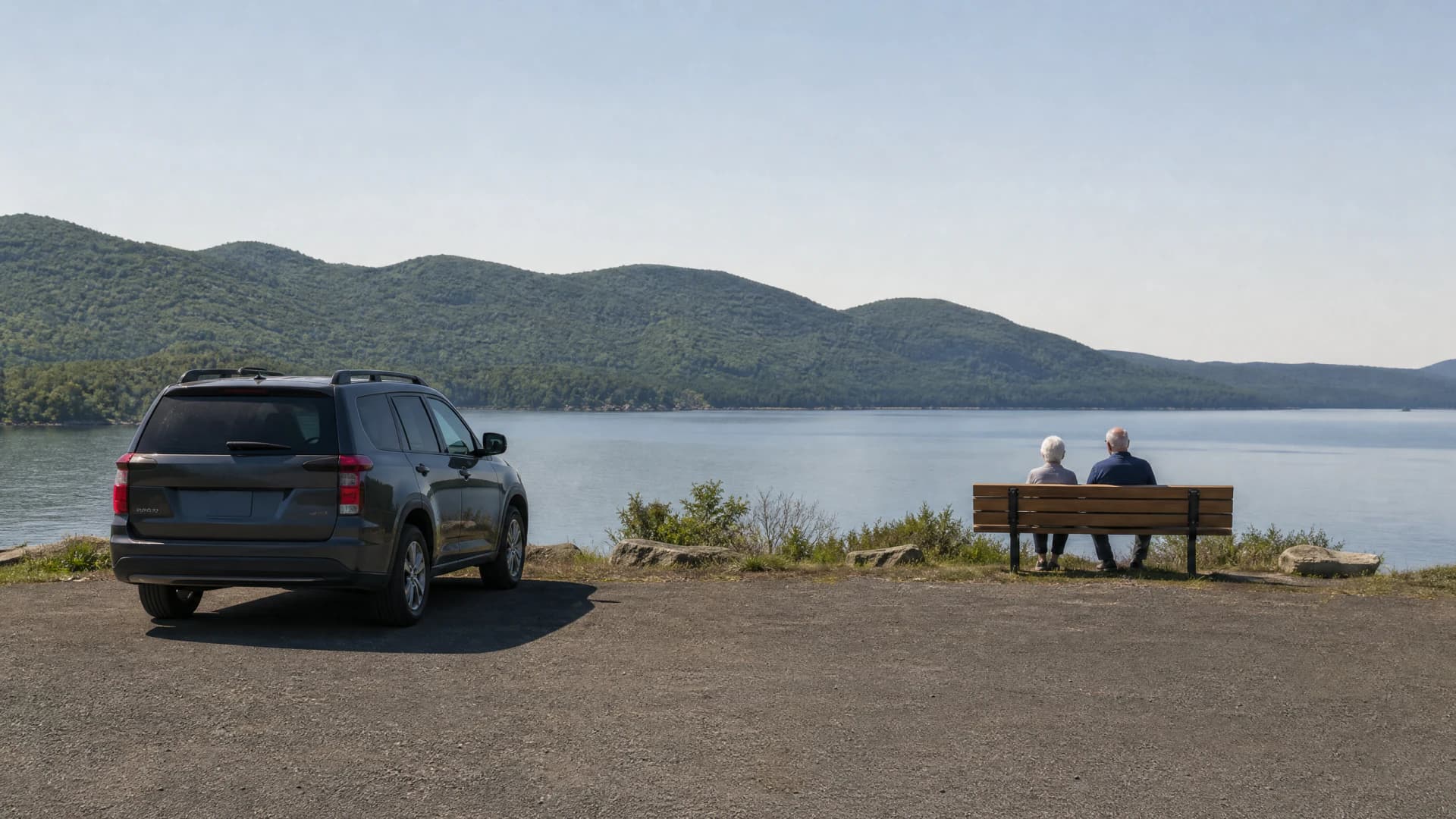

Low-Mileage and Usage-Based Programs: Minnesota Options for Retired Drivers
If you're driving under 7,500 miles annually—common for Minnesota retirees who avoid winter driving and no longer commute—low-mileage discounts can reduce premiums by 10–20%. Progressive's Snapshot, State Farm's Drive Safe & Save, and Nationwide's SmartMiles all operate in Minnesota, but they work differently. Snapshot and Drive Safe & Save monitor your actual driving through a plug-in device or mobile app and adjust rates based on mileage, time of day, and braking patterns. SmartMiles charges a low base rate plus a per-mile fee, making it ideal if you drive under 5,000 miles yearly.
Usage-based programs reward the driving patterns many seniors already practice: avoiding rush hour, steady speeds, and limited night driving. A Minnesota senior who drives 4,000 miles annually, mostly for midday errands and weekend church trips, often sees savings of $300–$500 yearly through these programs compared to standard full-coverage rates. The tradeoff is privacy—these programs track when, where, and how you drive. If that monitoring makes you uncomfortable, ask about traditional low-mileage discounts that only verify your odometer reading annually rather than tracking real-time behavior.
Timing matters for enrollment. Most usage-based programs require a 90-day monitoring period before applying discounts, and they typically enroll new participants only at policy renewal or when you first purchase coverage. If your renewal is eight months away and you want to access these savings sooner, some carriers allow you to request an early renewal without penalty. The monitoring period also means your first renewal after enrollment may show minimal savings—the full discount usually appears at your second renewal after a complete year of low-mileage data.

Put These Answers to Work on Your Rate
Compare Auto Rates for Senior DriversCoverage Decisions for Paid-Off Vehicles: When Minnesota Seniors Should Drop Comprehensive
Most Minnesota seniors over 70 drive paid-off vehicles, raising the question: do you still need full coverage when the car is worth $6,000 and you're paying $1,400 annually to insure it? The math depends on your deductible and how easily you could replace the vehicle from savings. If you carry a $500 deductible on a car worth $5,500, your maximum claim payout after deductible is $5,000—but you might pay $600 yearly for that comprehensive and collision coverage. Over five years, you've paid $3,000 in premiums to protect a depreciating asset.
The smarter calculation compares your comprehensive and collision premiums against your vehicle's actual cash value and your emergency fund capacity. If dropping those coverages saves you $50 monthly ($600 yearly), and you could cover a $6,000 vehicle replacement from savings without financial hardship, reducing to liability-only coverage often makes sense. You'll still maintain the liability protection Minnesota requires—$30,000 bodily injury per person, $60,000 per accident, and $10,000 property damage—but you'll self-insure the physical damage risk on your own vehicle.
Two situations justify keeping comprehensive even on older vehicles. First, if you live in a Minnesota ZIP code with high hail or deer collision rates (common in rural counties), comprehensive coverage costing $200–$300 annually might be worth maintaining. Second, if you couldn't replace your vehicle without significant financial stress, even expensive comprehensive coverage provides peace of mind. The key is making this decision based on your specific financial situation and vehicle value, not out of habit because you've always carried full coverage.

Medical Payments Coverage and Medicare: What Minnesota Seniors Actually Need
Minnesota is a no-fault state, meaning your auto insurance covers your medical expenses after an accident regardless of who caused it—but the interaction between auto medical payments coverage and Medicare confuses many senior drivers. Medicare Part B covers accident-related injuries, but it's typically secondary to your auto insurance. If you carry $10,000 in medical payments coverage (often called "PIP" or personal injury protection in no-fault states) and incur $8,000 in accident-related medical bills, your auto insurance pays first, and Medicare only covers expenses beyond your auto policy limits.
This creates a coverage gap many seniors don't realize exists. Minnesota requires minimum PIP coverage of $20,000 for medical expenses and $20,000 for wage loss and replacement services, but you can increase medical coverage to $50,000 or higher. If you're seriously injured in an accident and require $40,000 in treatment, your $20,000 PIP coverage pays first, then Medicare picks up the remainder. However, if you reduced your PIP limits to save $15 monthly, you might face higher out-of-pocket costs than if you'd maintained higher limits and let your auto policy handle the primary coverage.
The pricing is often counterintuitive. Increasing your PIP medical coverage from $20,000 to $50,000 might only cost $8–$12 more per month, while the financial protection gap could be substantial. Ask your Minnesota insurer for a specific quote comparing minimum PIP limits against $40,000 or $50,000 in medical coverage. Many senior drivers find the incremental cost worth the protection, especially if you have a Medicare Advantage plan with higher copays or deductibles than original Medicare.

When to Shop for New Coverage: Minnesota Senior Rate Shopping Strategy
Minnesota seniors who've been with the same carrier for 15–20 years often assume loyalty earns them the best rate, but that's rarely true. Most insurers offer their lowest rates to new customers, then gradually increase existing policyholders' premiums by 3–6% annually even without claims. Over a decade, those incremental increases compound—you might be paying 40% more than a new customer with an identical profile would pay for the same coverage.
The ideal time to shop is 45–60 days before your renewal date. Minnesota insurers typically hold quotes for 30–45 days, giving you time to compare multiple carriers without rushing. Request quotes from at least three competitors, and when comparing, verify you're pricing identical coverage limits—not just liability minimums. A quote that's $30 cheaper monthly but carries a $1,000 deductible instead of your current $500 deductible isn't a true comparison. Ask each carrier about mature driver discounts, low-mileage programs, and any other senior-specific savings, because the advertised quote often excludes discounts you must request.
Don't cancel your current policy until your new coverage is active. Minnesota doesn't require continuous coverage by law, but a coverage gap—even 24 hours—often triggers higher rates when you restart coverage. Most carriers will backdate a new policy to your current policy's expiration date if you finalize the switch within a few days, but the safest approach is overlapping by one day. Pay your new policy's first month, confirm it's active, then cancel your old policy effective the same date your new coverage starts.
Frequently Asked Questions
Does Minnesota require a mature driver course to keep your license after 65?
No, Minnesota doesn't mandate driver education courses for license renewal at any age. However, completing a voluntary mature driver course qualifies you for insurance discounts with most carriers, typically reducing premiums by 5–15% for three years after completion.
Can Minnesota insurers raise your rates just because you turned 70?
Yes, Minnesota law allows insurers to use age as a rating factor for drivers over 65. Most carriers increase rates modestly between 65–75 and more significantly after 75, based on actuarial claim data rather than your individual driving record.
How does Medicare coordinate with auto insurance after an accident in Minnesota?
Your auto insurance medical payments coverage (PIP) pays first up to your policy limits, then Medicare covers remaining eligible expenses. Because Minnesota is a no-fault state, your own auto policy covers your medical bills regardless of who caused the accident, before Medicare becomes involved.
What's the best car insurance for seniors in Minnesota who only drive 3,000 miles per year?
Usage-based programs like Nationwide's SmartMiles or low-mileage discounts from State Farm and Progressive typically offer the best rates for Minnesota seniors driving under 5,000 miles annually. These programs can reduce premiums by $300–$500 yearly compared to standard full-coverage rates.
Should you keep comprehensive coverage on a 12-year-old car worth $4,000?
It depends on your deductible and savings. If comprehensive and collision cost $500+ annually with a $500 deductible, your maximum claim payout is only $3,500—after five years you've paid more in premiums than the vehicle's value. If you can replace the car from savings, liability-only coverage usually makes more financial sense.
Related Articles

Van & SUV Insurance for Seniors: Rates After 65
4/11/2026
NJ Mature Driver Certificate: How to Apply
6/11/2026

Car Insurance for Seniors Driving Occasionally
4/11/2026
CT Senior Driver Insurance: Rates, Discounts & Coverage
4/7/2026

Alabama Senior Driver Insurance: Rates & Coverage After 65
4/7/2026

When Should Senior Drivers Stop? Insurance Signals
4/11/2026