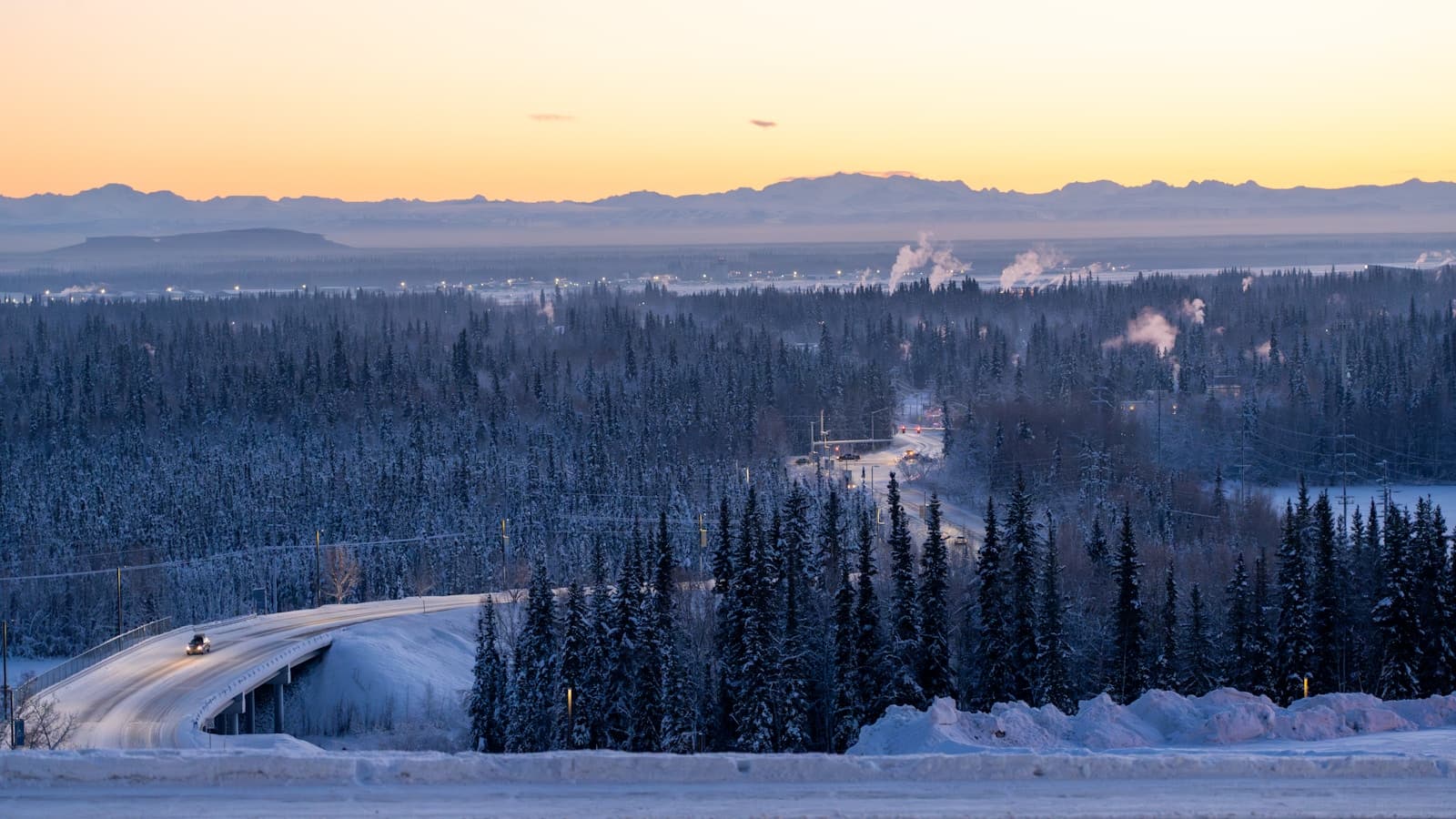
What Affects Rates in Fairbanks
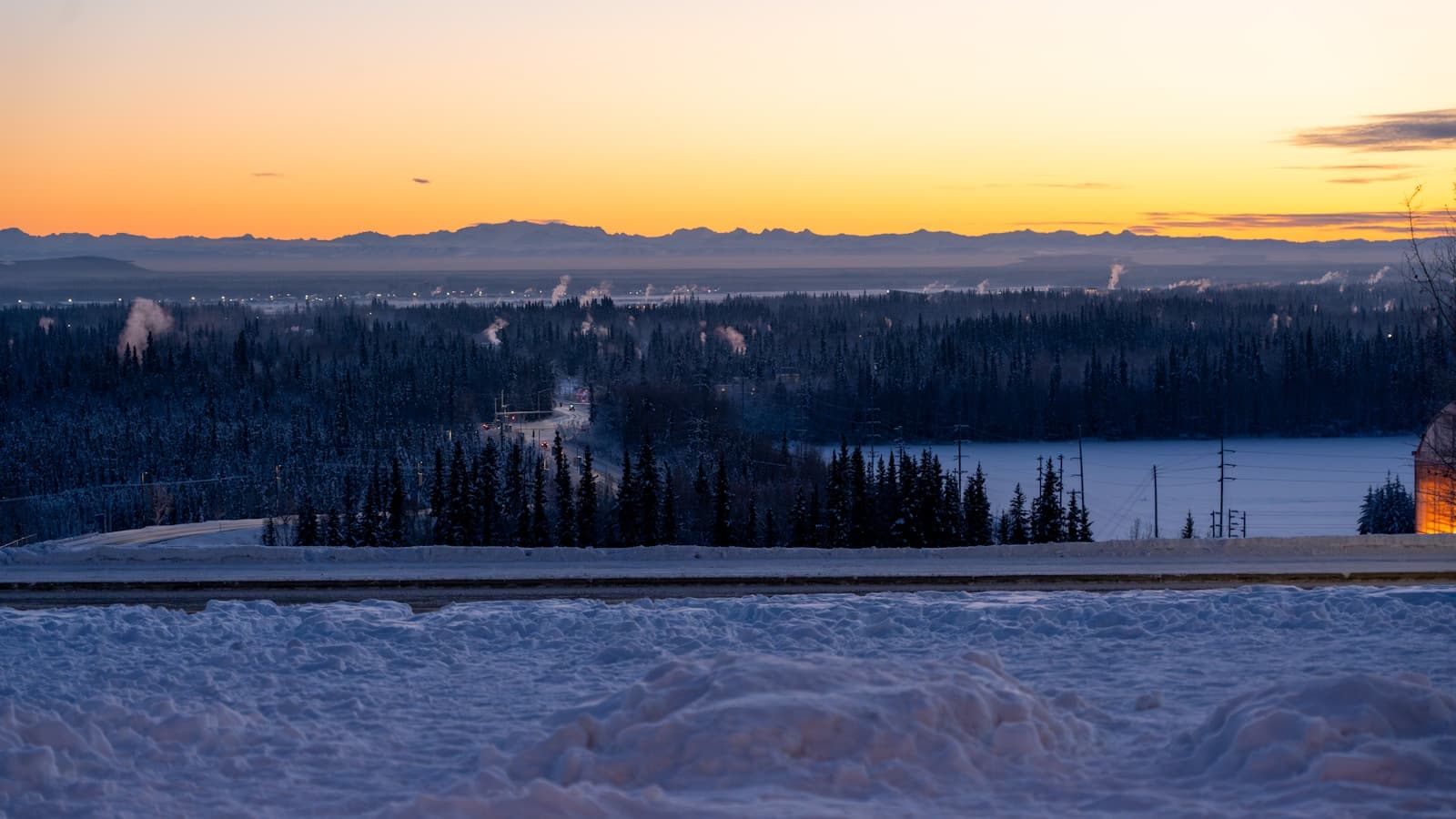
- Extreme Winter Driving Conditions: Fairbanks experiences temperatures below -40°F and extended periods of darkness from November through February, creating hazardous driving conditions that insurers view as compounding risk for drivers already flagged with violations. Non-standard carriers price this year-round weather exposure into every high-risk policy, not just winter months.
- Limited Non-Standard Carrier Market: Fairbanks has fewer non-standard insurers willing to write policies in the Interior Alaska region compared to Anchorage, reducing competition and typically pushing rates 12–18% higher than violation drivers pay in more populated Alaska cities. Some drivers report needing to contact 5+ carriers to find coverage.
- Rural Road Network and Response Times: Many Fairbanks-area drivers live on unpaved roads outside city limits where emergency response times exceed 20 minutes, increasing claim severity when violations occur in remote areas. Insurers adjust high-risk premiums upward for addresses outside the core Fairbanks North Star Borough urban zone.
- High Uninsured Motorist Rate: Alaska's uninsured motorist rate runs above the national average, and Fairbanks reflects this pattern, which drives up uninsured/underinsured motorist coverage costs for all drivers but especially for those in the non-standard market where this coverage often cannot be waived.
Compare rates from carriers that specialize in senior drivers
Mature driver discounts, low-mileage rates, and coverage reviews — see what you're actually eligible for.
Get Your Free QuoteCoverage Recommendations
Cost estimates are based on available industry data and vary by driver profile. These are not insurance quotes.
SR-22 Certificate Filing
SR-22 is not insurance—it is a certificate your insurer files with Alaska's Division of Motor Vehicles proving you carry at least state minimum liability coverage continuously. The filing itself costs $25–$50, but the violation that triggers it causes your rate increase. Any lapse in coverage restarts your filing period.
$25–$50 filing fee one-timeEstimated range only. Not a quote.
Liability Insurance
Alaska requires 50/100/25 minimum liability limits, but violation drivers in Fairbanks should consider higher limits (100/300/100) since non-standard policies often bundle these at marginal cost and winter weather increases multi-vehicle accident exposure. Many senior drivers carry higher limits to protect retirement assets.
$140–$280/mo estimated non-standardEstimated range only. Not a quote.
Comprehensive Coverage
Covers damage from weather, wildlife, and theft—critical in Fairbanks where moose collisions, extreme cold damage to vehicles, and break-ins during long winter nights are common. If your vehicle is paid off, evaluate whether comprehensive premiums (often $80–$150/mo in the non-standard market) justify the vehicle's actual cash value.
$80–$150/mo non-standard marketEstimated range only. Not a quote.
Uninsured Motorist Coverage
Protects you when hit by a driver without insurance, particularly important in Fairbanks given Alaska's above-average uninsured driver rate and the prevalence of older vehicles on rural roads. Non-standard carriers often require this coverage and price it at $40–$70/mo for violation drivers.
$40–$70/mo estimatedEstimated range only. Not a quote.