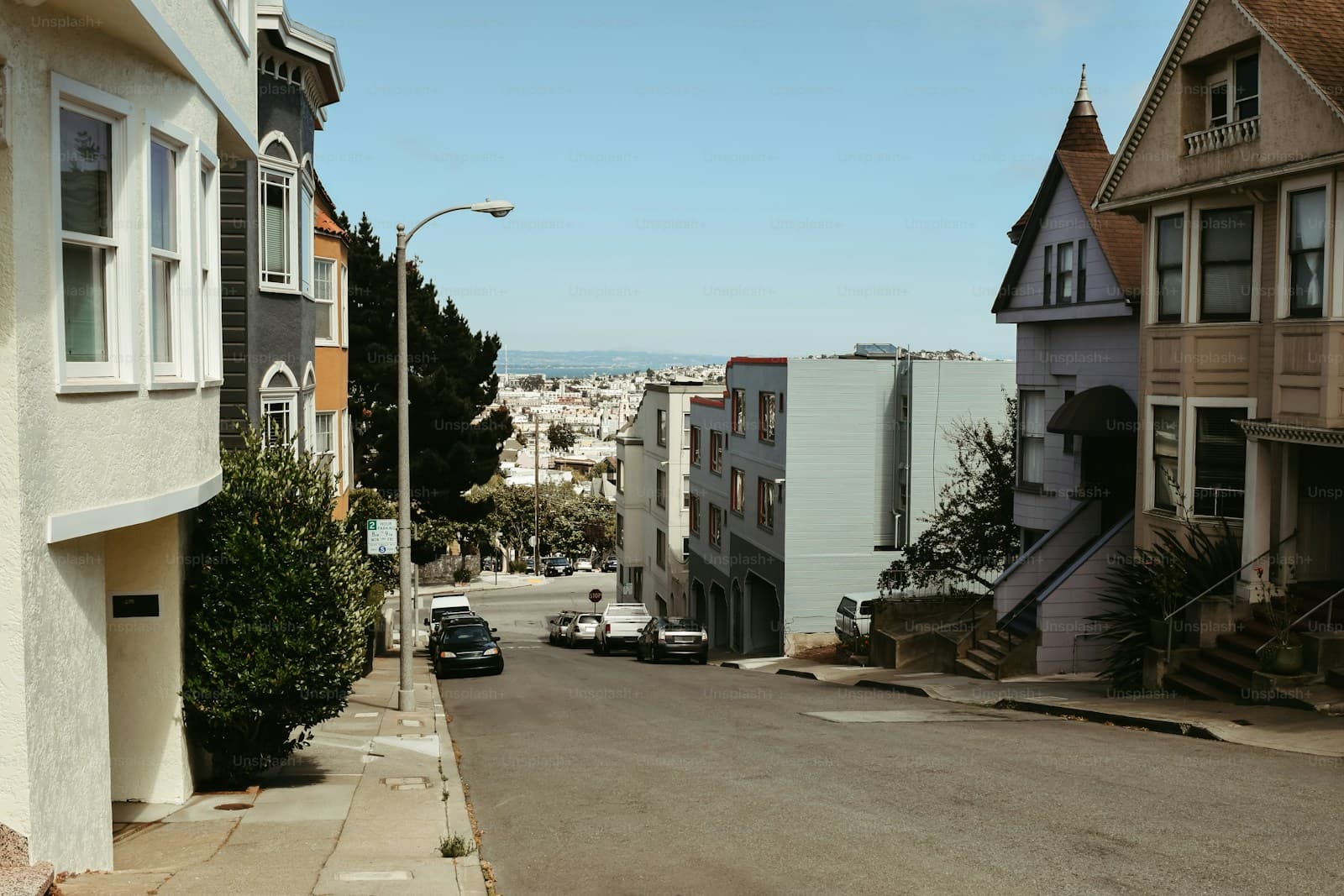
What Affects Rates in San Francisco
- High Traffic Density and Collision Frequency: San Francisco's 18,000+ residents per square mile and congested streets like Lombard, Geary, and Van Ness mean non-standard insurers price in higher accident probability for drivers already flagged as high-risk. Violation drivers face compounded rate increases because urban density raises baseline collision risk in a portfolio already weighted toward claims.
- Vehicle Theft and Vandalism Rates: San Francisco consistently ranks among California's highest cities for auto theft and break-ins, particularly in neighborhoods like the Mission, SoMa, and near Fisherman's Wharf. Non-standard insurers apply higher comprehensive premiums to violation drivers because the theft risk layer stacks on top of the liability risk from the DUI or suspension.
- Uninsured Motorist Density: Estimated uninsured driver rates in San Francisco and the Bay Area run higher than the California average, increasing the likelihood that a violation driver will file an uninsured motorist claim. Carriers price this exposure into non-standard policies, raising premiums for drivers aged 65+ who often carry higher UM/UIM limits.
- Steep Terrain and Weather-Related Claims: San Francisco's steep hills and frequent fog create elevated risk for accidents involving braking failures, visibility issues, and parking control. Non-standard insurers factor in these geography-specific claim patterns when pricing policies for drivers with existing violations, especially older drivers navigating neighborhoods like Russian Hill or Twin Peaks.
- Municipal Court Processing and License Reinstatement Timing: San Francisco drivers typically navigate the Superior Court system for DUI cases and coordinate with the DMV for license reinstatement, which can delay the SR-22 filing timeline. Missing the filing deadline or allowing coverage to lapse triggers an automatic extension of the SR-22 requirement and potential re-suspension, prolonging high-rate non-standard coverage.
Compare rates from carriers that specialize in senior drivers
Mature driver discounts, low-mileage rates, and coverage reviews — see what you're actually eligible for.
Get Your Free QuoteCoverage Recommendations
Cost estimates are based on available industry data and vary by driver profile. These are not insurance quotes.
SR-22 Certificate Filing
An SR-22 is not a type of insurance—it is a certificate your insurer files with the California DMV proving you carry at least the state minimum liability coverage ($15,000/$30,000/$5,000). In San Francisco, you must maintain this filing continuously for three years; any lapse triggers DMV notification and potential license re-suspension. The one-time filing fee typically ranges from $15 to $50, but the real cost is the non-standard premium attached to the underlying policy.
$15–$50 filing fee + non-standard premiumsEstimated range only. Not a quote.
Non-Standard High-Risk Auto Insurance
Non-standard insurance is coverage designed for drivers with violations, suspensions, or DUIs whom standard carriers decline to insure. In San Francisco, non-standard policies for senior drivers with a DUI typically cost $280–$480/mo for state minimum liability, reflecting both the violation and the city's elevated theft, density, and claims environment. Securing this coverage before your court-mandated reinstatement date is required to obtain the SR-22.
$280–$480/mo estimatedEstimated range only. Not a quote.
Liability Coverage
California requires $15,000 per person/$30,000 per accident in bodily injury liability and $5,000 in property damage liability, but San Francisco drivers—especially those aged 65+—should consider higher limits such as 100/300/100. If you cause an accident in dense city traffic or on the Bay Bridge, minimum limits may not cover medical bills or vehicle damage, leaving you personally liable for the difference. Non-standard carriers offer higher limits, though premiums rise accordingly.
Minimum required; higher limits recommendedEstimated range only. Not a quote.
Uninsured/Underinsured Motorist Coverage
San Francisco's higher-than-average uninsured driver population makes UM/UIM coverage especially important for senior drivers with violations, who may already face financial exposure from a DUI case. This coverage protects you if an at-fault driver lacks sufficient insurance to cover your medical expenses or vehicle repairs. California requires insurers to offer UM/UIM at the same limits as your liability coverage unless you decline it in writing.
Often $20–$60/mo additionalEstimated range only. Not a quote.