What Affects Rates in Jersey City
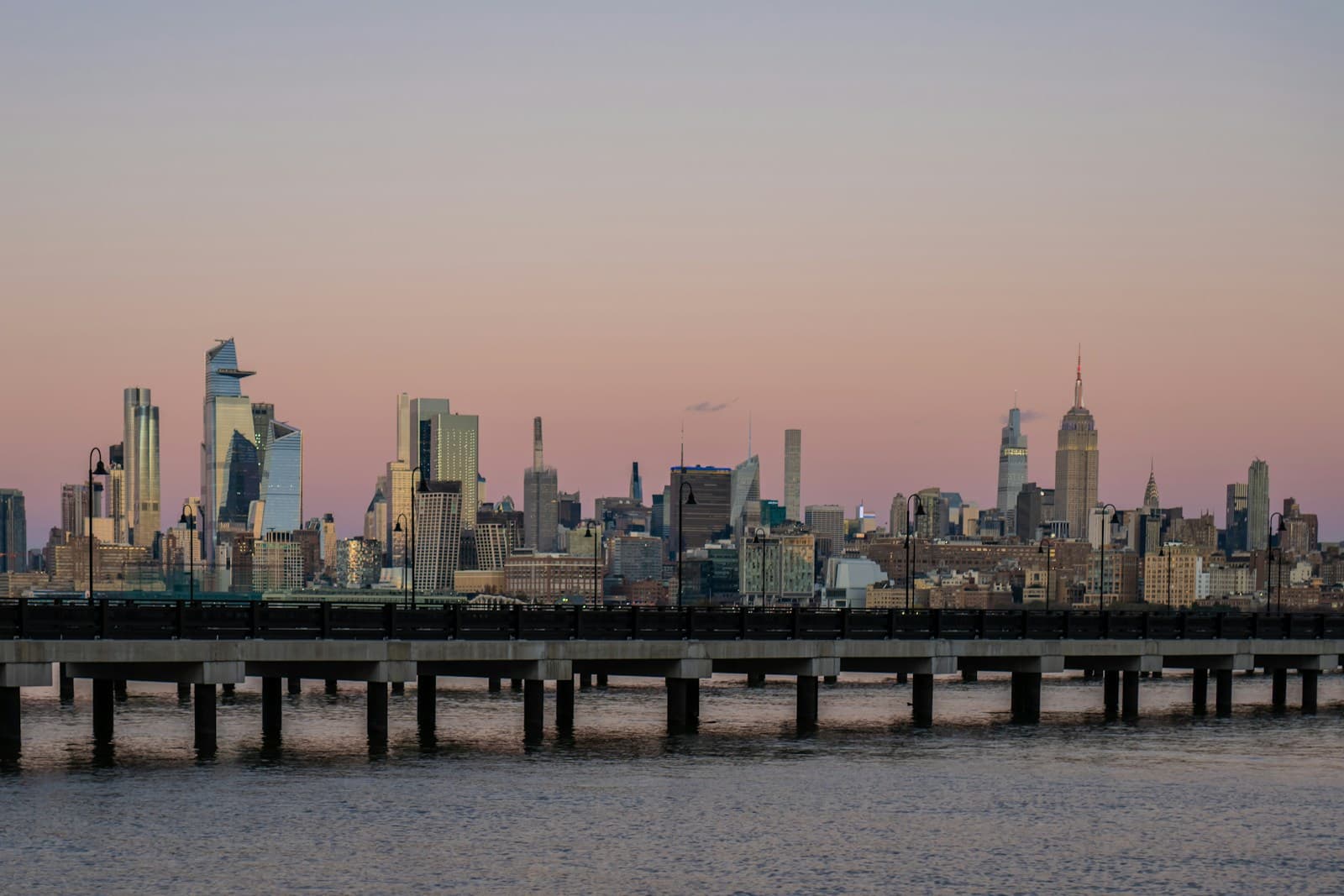
- Urban Traffic Density and Accident Frequency: Jersey City's status as New Jersey's second-largest city means heavy traffic on corridors like Routes 1/9, the Pulaski Skyway, and downtown streets near Journal Square and the Waterfront. For drivers with violations, this density translates to higher premiums because insurers view the combination of impaired-driving history and congested roadways as significantly elevated risk for future claims.
- Hudson County Court Processing Times: DUI cases processed through Jersey City Municipal Court or Hudson County Superior Court can take several months to resolve, and insurers typically pull motor vehicle records during that window. Once a conviction appears on your New Jersey driving abstract, carriers receive notification and most will non-renew at your next policy expiration — giving you 30–60 days to secure non-standard coverage before a lapse occurs.
- Proximity to New York and Regional Commuter Patterns: Many Jersey City residents commute into Manhattan or across Hudson County, logging higher annual mileage than suburban drivers. Insurers price high-risk policies based on exposure, and the combination of a violation plus daily bridge/tunnel commutes or PATH transfers elevates your rate beyond what a DUI driver in a lower-mileage area would pay.
- Non-Standard Market Availability in Hudson County: Jersey City's size supports a deeper non-standard insurance market than smaller municipalities, with multiple carriers writing high-risk policies locally. This competition can moderate rate increases slightly compared to rural areas, but availability does not mean affordability — expect monthly premiums in the $320–$580 range for minimum liability, and higher for drivers 65+ who maintain comprehensive coverage on financed vehicles.
Compare rates from carriers that specialize in senior drivers
Mature driver discounts, low-mileage rates, and coverage reviews — see what you're actually eligible for.
Get Your Free QuoteCoverage Recommendations
Cost estimates are based on available industry data and vary by driver profile. These are not insurance quotes.
SR-22 Certificate Filing
SR-22 is not a type of insurance — it is a certificate your insurer files with the New Jersey Motor Vehicle Commission proving you carry the minimum required liability coverage. Not all DUI convictions trigger an SR-22 requirement in New Jersey, but license suspensions for refusal or certain violations do. Your insurer files the form electronically, you pay a one-time or annual fee of $15–$50, and any lapse in coverage triggers an automatic notification to the state, which can extend your suspension.
$15–$50 filing fee annuallyEstimated range only. Not a quote.
Non-Standard Auto Insurance
Non-standard (high-risk) insurance is what most DUI drivers in Jersey City will need after a standard carrier non-renews. These policies cost significantly more — $320–$580/mo for minimum liability in Jersey City — but they provide the continuous coverage New Jersey law requires. For drivers 65+, consider whether you still need comprehensive and collision on a paid-off vehicle, as dropping those coverages can lower your monthly cost by $80–$150 in the non-standard market.
$320–$580/mo typical rangeEstimated range only. Not a quote.
Liability Insurance
New Jersey's minimum liability limits are $15,000 per person / $30,000 per accident for bodily injury, and $5,000 for property damage. Many drivers carry higher limits to protect assets, but after a DUI, even minimum coverage becomes expensive. If you own a home or have retirement savings, consult an agent about whether maintaining $100,000/$300,000 limits is worth the additional $60–$120/mo in the non-standard market.
State minimum $15k/$30k/$5kEstimated range only. Not a quote.
Uninsured Motorist Coverage
Hudson County has a higher-than-average rate of uninsured drivers due to its dense urban population and proximity to New York. For senior drivers with a violation, uninsured motorist (UM) coverage protects you if an at-fault driver has no insurance — particularly important given that a second claim on your high-risk policy could make coverage unaffordable. UM coverage typically adds $25–$50/mo in the non-standard market.
$25–$50/mo additionalEstimated range only. Not a quote.