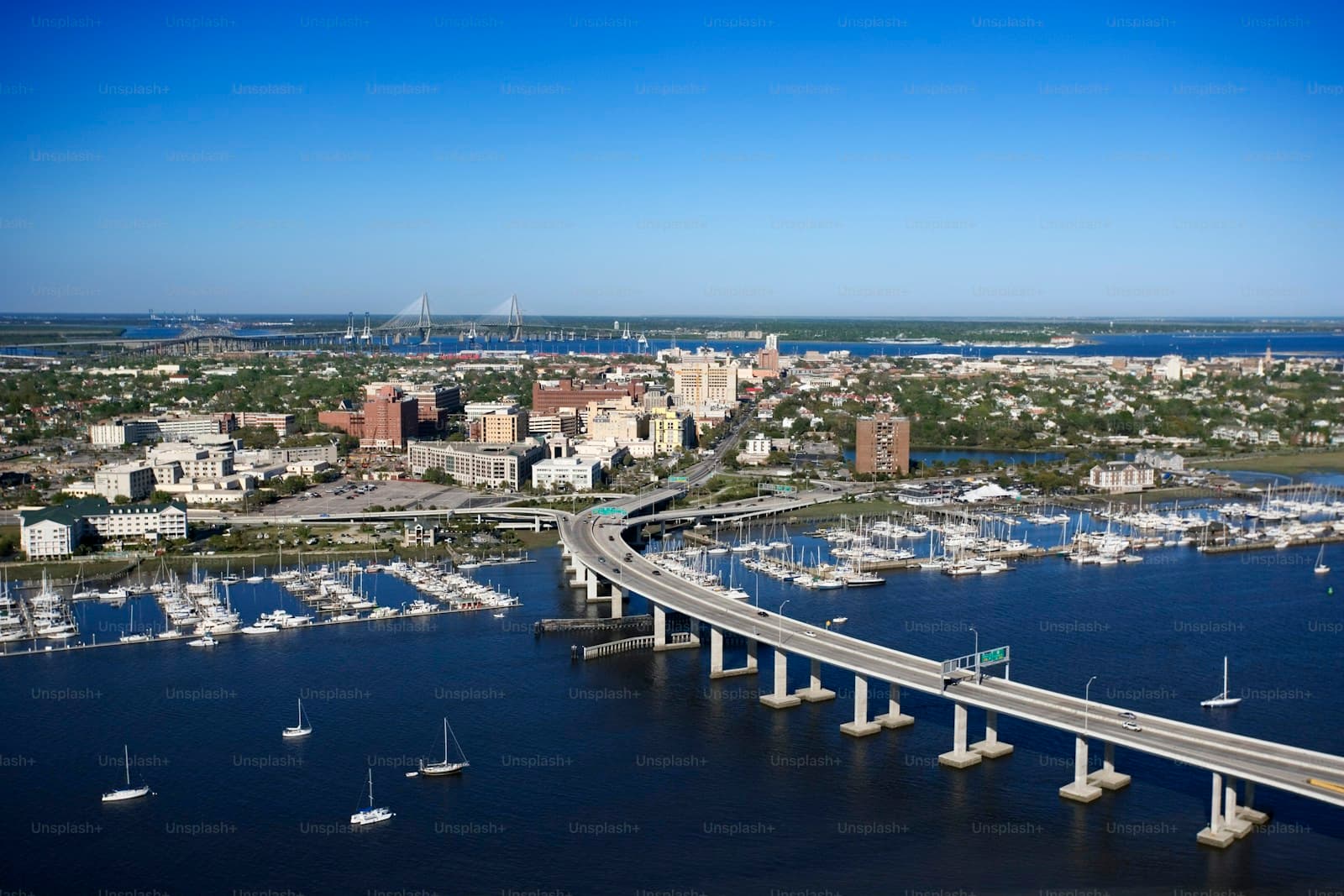
What Affects Rates in Charleston
- Downtown Peninsula Density: Charleston's narrow historic district streets and high pedestrian traffic create elevated accident risk for drivers with violations. Non-standard insurers price this density into rates for DUI drivers who work or live downtown, adding 12–18% to base high-risk premiums.
- Bridge and Causeway Commutes: Daily commutes across the Ashley, Cooper, or Ravenel bridges increase exposure for violation drivers. Insurers view bridge-dependent routes as higher-risk due to limited exit options and elevated accident severity, raising non-standard rates 8–15% for Mount Pleasant and West Ashley commuters.
- Hurricane Evacuation Zone: Most of Charleston sits in Hurricane Evacuation Zone A, requiring comprehensive coverage even when carriers won't offer collision to DUI drivers. Violation drivers maintaining financed vehicles face higher combined premiums due to mandatory comprehensive in flood-prone areas.
- Tourist Season Traffic Volatility: March through October tourist influx doubles traffic volume in the historic district and beach corridors. Non-standard carriers factor seasonal congestion into rates for violation drivers, particularly those with delivery routes or service-industry commutes through high-visitor zones.
- Uninsured Driver Rate: Charleston County's uninsured motorist rate runs near the state average of 10–12%, but violation drivers face higher collision risk from uninsured drivers in economically mixed neighborhoods. Uninsured motorist coverage becomes critical and adds $15–$30/mo to non-standard policies.
Compare rates from carriers that specialize in senior drivers
Mature driver discounts, low-mileage rates, and coverage reviews — see what you're actually eligible for.
Get Your Free QuoteCoverage Recommendations
Cost estimates are based on available industry data and vary by driver profile. These are not insurance quotes.
SR-22 Certificate Filing
SR-22 is not insurance — it is a certificate your insurer files with the South Carolina DMV proving you carry state-minimum liability ($25,000/$50,000/$25,000). Your insurer files electronically; lapses trigger automatic license suspension. Most DUI cases require SR-22 for three years.
$25–$50 filing fee, then higher premiumsEstimated range only. Not a quote.
Non-Standard Auto Insurance
Non-standard carriers specialize in DUI and violation drivers after standard carriers non-renew. Charleston drivers typically pay $180–$340/mo for full coverage through non-standard markets, with rates highest for peninsula zip codes (29401, 29403) due to traffic density.
$180–$340/mo full coverageEstimated range only. Not a quote.
Liability-Only Coverage
Many senior violation drivers with paid-off vehicles choose liability-only to reduce costs during the SR-22 filing period. Charleston non-standard liability-only runs $90–$150/mo, but this leaves you unprotected for vehicle damage in the city's congested downtown and bridge routes.
$90–$150/mo liability-onlyEstimated range only. Not a quote.
Uninsured Motorist Coverage
With 10–12% of Charleston drivers uninsured, this coverage protects you when an at-fault driver has no insurance. Critical for violation drivers who face higher collision risk and can't easily replace a vehicle. Adds $15–$30/mo to non-standard policies but covers medical bills and vehicle damage.
$15–$30/mo additionalEstimated range only. Not a quote.