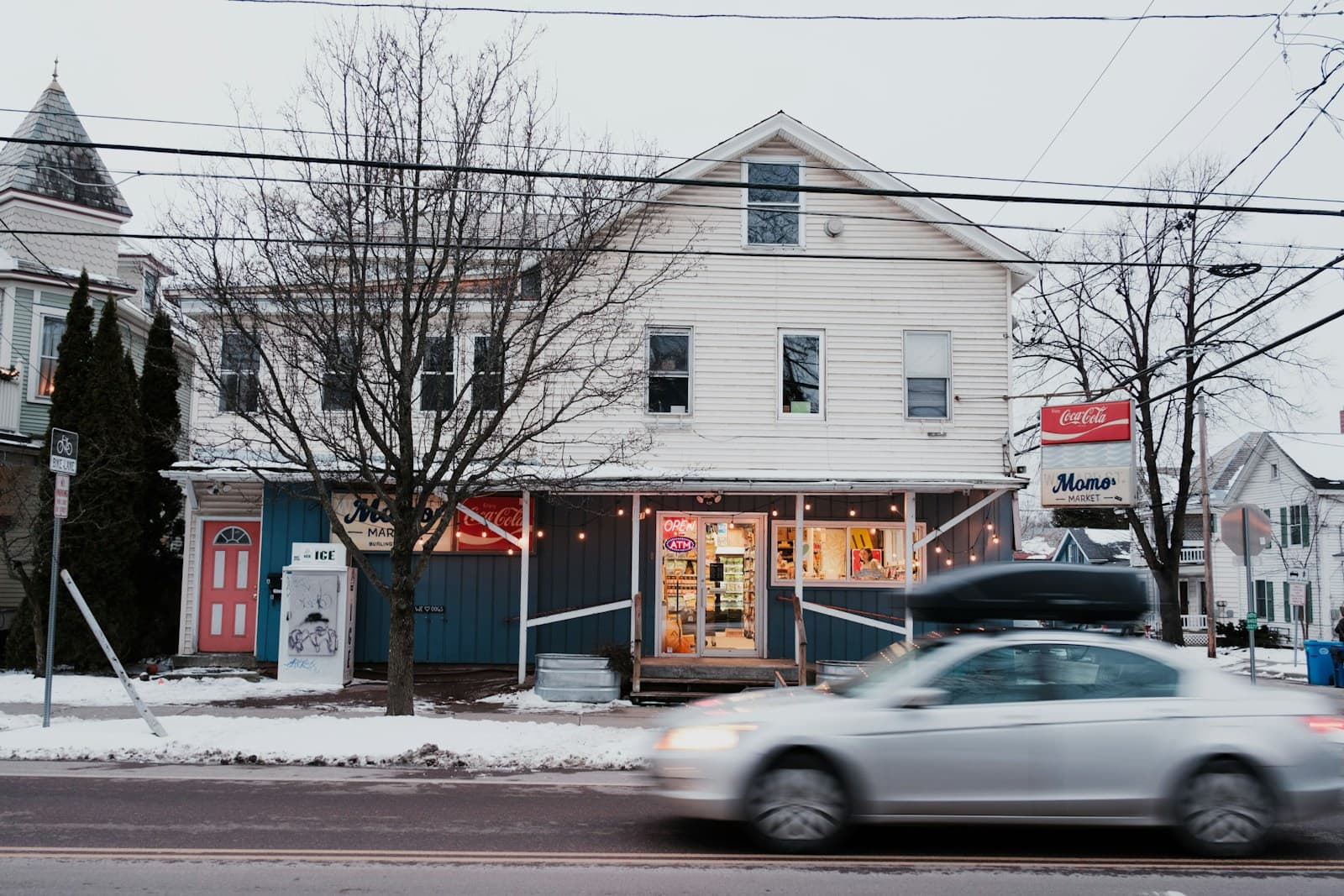
What Affects Rates in Burlington
- Urban Density and Traffic Volume: Burlington's concentrated downtown corridors and University of Vermont student traffic create higher accident frequency than Vermont's rural areas, which insurers treat as compounding risk when pricing policies for drivers with DUI convictions. Non-standard carriers typically add 12–18% to base violation premiums in urban Chittenden County compared to rural Essex or Orleans counties.
- Winter Weather Collision Rates: Burlington averages 81 inches of snow annually, and winter months see collision claim frequency 40% higher than summer. Insurers view DUI offenders as higher-risk winter drivers, often requiring year-round comprehensive and collision coverage as a condition of non-standard policies even for older paid-off vehicles.
- Vermont's Three-Year SR-22 Requirement: Vermont mandates continuous SR-22 filing for three years following license reinstatement after DUI or serious violations. Any lapse in coverage — even one day — resets the three-year clock and triggers immediate license re-suspension, making uninterrupted non-standard coverage essential.
- Limited Non-Standard Carrier Pool: Burlington's smaller market means fewer non-standard insurers compete for high-risk drivers compared to larger metro areas. This limited competition typically keeps DUI driver premiums 8–15% higher than similar-sized cities in states with more robust non-standard markets.
- Local Court System Processing Times: Chittenden Superior Court processes DUI cases with typical disposition timelines of 4–8 months, during which your current insurer may already know about the arrest through background checks. Most carriers send non-renewal notices 30–60 days before your current policy expires, giving you a narrow window to secure non-standard coverage before losing protection.
Compare rates from carriers that specialize in senior drivers
Mature driver discounts, low-mileage rates, and coverage reviews — see what you're actually eligible for.
Get Your Free QuoteCoverage Recommendations
Cost estimates are based on available industry data and vary by driver profile. These are not insurance quotes.
SR-22 Certificate Filing
SR-22 is not insurance itself — it is a certificate your insurer files with the Vermont DMV proving you carry at least the state-minimum liability coverage (25/50/10). Your non-standard insurer files the SR-22 electronically and must notify the DMV immediately if your policy lapses. The filing itself costs $25–$50, but the underlying non-standard policy carrying it costs significantly more due to your violation.
$25–$50 filing fee + policy premiumEstimated range only. Not a quote.
Liability Insurance
Vermont requires minimum liability limits of $25,000 per person/$50,000 per accident for bodily injury and $10,000 for property damage. Many non-standard insurers in Burlington require higher limits (50/100/25 or 100/300/50) as a condition of accepting DUI drivers, particularly for seniors with retirement assets at risk in lawsuits.
$180–$320/mo for minimum limitsEstimated range only. Not a quote.
Full Coverage (Comprehensive + Collision)
If you financed or leased your vehicle, your lender requires comprehensive and collision coverage regardless of your violation. Even for paid-off vehicles, non-standard insurers in Burlington often mandate full coverage for DUI drivers to offset their elevated accident risk, particularly given winter driving conditions and the city's concentrated traffic patterns.
Adds $100–$180/mo to liability-only costEstimated range only. Not a quote.
Uninsured Motorist Coverage
Vermont has an estimated uninsured driver rate near 9%, and Burlington's student population and transient residents can push local rates higher. Uninsured motorist coverage protects you if an at-fault driver lacks insurance — particularly important for seniors on fixed incomes who cannot absorb out-of-pocket medical or repair costs after an accident.
$25–$55/mo additionalEstimated range only. Not a quote.