
Car Insurance for Senior Drivers in Domestic Partnerships
Compare Auto Rates for Senior DriversWhy Domestic Partnership Status Affects Your Auto Insurance Rates
Auto insurance pricing models were built around traditional marriage structures, and most carriers haven't updated their underwriting systems to automatically recognize domestic partnerships. If you're over 65 and sharing a household with a domestic partner, you're likely paying as if you maintain two separate households — even if you've combined finances, share vehicles, and list the same address.
The average senior couple saves $400–$700 annually by bundling policies under a single household. Married couples receive this automatically at most major carriers. Domestic partners typically need to request it explicitly, provide proof of cohabitation, and sometimes escalate through customer service to access the same discount structure. This recognition gap costs senior domestic partners an estimated $35–$60 per month in unclaimed household savings.
The issue intensifies if one partner owns multiple vehicles or if you're combining coverage from previously separate policies. Carriers won't merge your accounts or apply multi-car discounts without direct instruction, and some still classify domestic partners as "unrelated drivers" rather than household members — a classification that can trigger higher rates rather than discounts.

Which Carriers Recognize Domestic Partnerships for Policy Purposes
Recognition varies significantly by carrier and sometimes by state. State Farm, GEICO, and Progressive generally extend household discounts to domestic partners who share a residence, but the process isn't automatic — you must call and request the household designation. Allstate and Travelers have more restrictive definitions in some states, requiring formal domestic partnership registration or additional documentation beyond shared residence.
USAA, available to military members and their families, typically recognizes domestic partners for bundling purposes but may require proof of financial interdependence: joint bank accounts, shared utility bills, or beneficiary designations. Farmers and Nationwide fall somewhere in the middle — they'll extend discounts but often require a signed affidavit affirming the partnership and shared financial responsibility for vehicles.
Smaller regional carriers are less predictable. Some have updated their systems to mirror marriage equivalence; others still classify any non-married co-resident as a separate policyholder. If you're currently with a regional carrier and haven't explicitly discussed your domestic partnership status, you're likely classified incorrectly and overpaying. The fix requires a phone call and documentation, but the savings typically justify the effort within the first billing cycle.
How to Request Household and Multi-Car Discounts as Domestic Partners
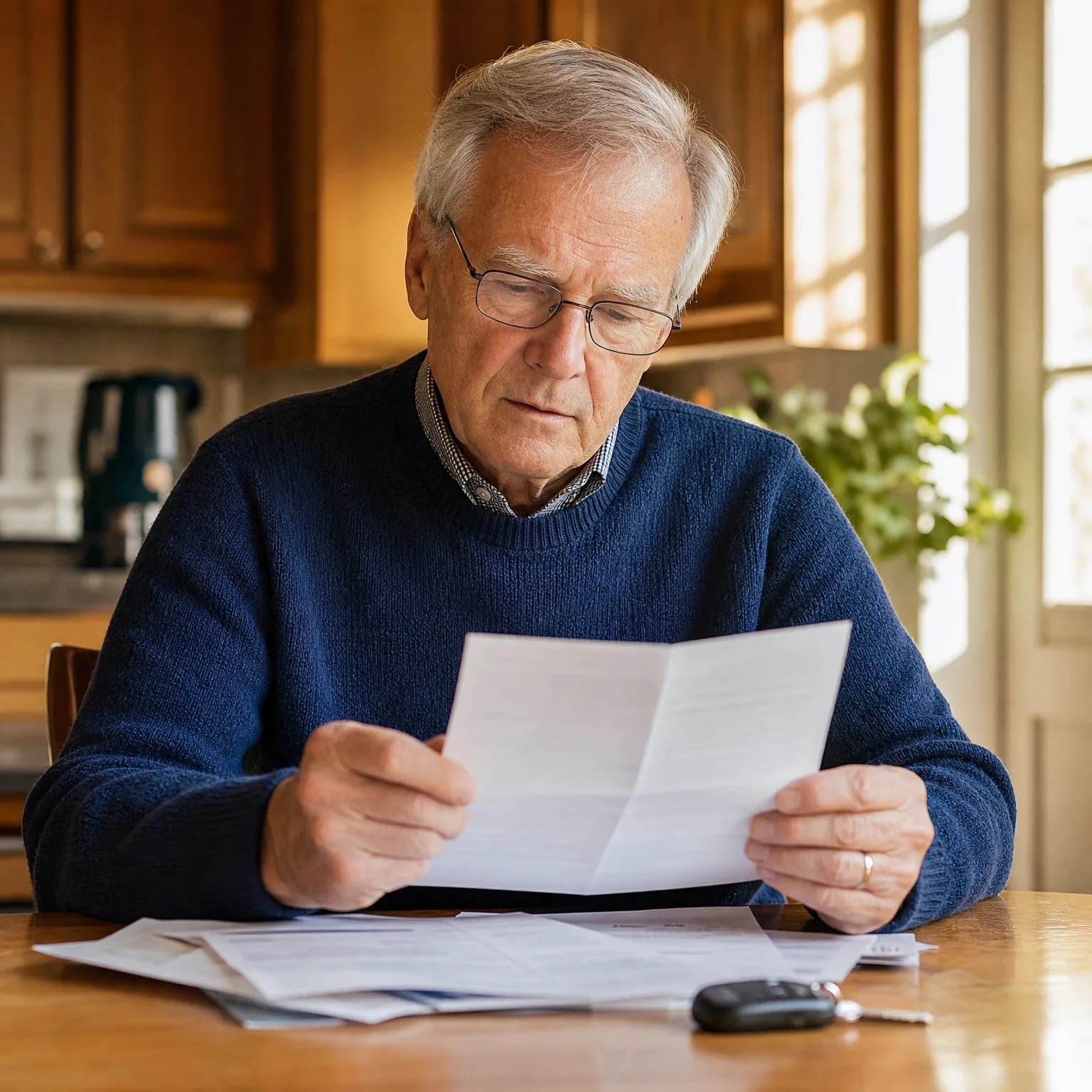
Start by calling your current carrier and asking directly: "Do you extend the same household and multi-vehicle discounts to domestic partners that you offer to married couples?" Many customer service representatives aren't trained on this scenario and may provide incorrect information on the first call. If the answer is unclear or negative, ask to speak with an underwriting supervisor.
Have documentation ready before the call: proof of shared residence (lease or mortgage with both names, or utility bills showing the same address for both partners), vehicle titles or registration showing co-ownership or the same garaging address, and any formal domestic partnership registration if your state or municipality offers it. Some carriers also accept joint bank statements, shared insurance beneficiary forms, or tax documents showing economic interdependence.
If your current carrier won't recognize the partnership or requires documentation that married couples never provide, that's a signal to shop. When comparing quotes, disclose the domestic partnership upfront and ask explicitly how the carrier classifies you. Request written confirmation of any household discount before binding coverage. The difference between being classified as "married-equivalent household" versus "two unrelated policyholders" can exceed $50 per month at age 70 with two vehicles.
Put These Answers to Work on Your Rate
Compare Auto Rates for Senior DriversCoverage Decisions When Sharing Vehicles in a Domestic Partnership
If both partners drive both vehicles regularly, you need coordinated liability coverage limits across the household. Liability doesn't follow the driver in domestic partner scenarios the way it does for married couples — some carriers treat each partner as a separate risk pool unless you explicitly structure the policy as a joint household. This creates a coverage gap: if your partner is driving your vehicle and causes an accident, the claim may be processed under their individual liability limit rather than your combined household limit.
The fix is to request a single household policy with both partners listed as named insureds and all vehicles listed under that single policy. This mirrors the standard married-couple structure and ensures that liability limits apply consistently regardless of who's driving which vehicle. For senior drivers, this also matters for medical payments coverage — if one partner is injured while the other is driving, you want certainty that med pay applies without dispute over household status.
Comprehensive coverage decisions also shift when vehicles are truly shared. If one partner owns a newer vehicle and the other drives a paid-off older car, the standard advice is to drop comprehensive on the older vehicle. But if both partners drive both vehicles interchangeably, you lose flexibility by segmenting coverage. A joint household policy with consistent coverage across vehicles is simpler to manage and reduces the risk of coverage confusion during a claim.

State-Specific Protections and Domestic Partnership Insurance Rights
California, Nevada, Oregon, Washington, and Colorado have explicit insurance non-discrimination statutes that prohibit carriers from treating registered domestic partners differently than married spouses. If you're in one of these states and registered as domestic partners, your carrier is legally required to extend the same discounts and household treatment — though you may still need to request it and provide your registration certificate.
Other states have varying levels of recognition. Illinois, New Jersey, and Maine recognize civil unions, which most carriers treat as equivalent to marriage for insurance purposes. States without formal domestic partnership structures — most of the South and Midwest — leave the decision entirely to carrier discretion, and many carriers default to restrictive classifications unless you push back.
If you're over 65 and in a state without formal partnership recognition, focus your search on carriers with explicit non-discrimination policies or those with strong records in LGBTQ+ advocacy rankings. GEICO, Progressive, and State Farm have generally led in this area, while some smaller regional carriers lag significantly. The Insurance Information Institute maintains updated guidance on state-by-state domestic partner insurance rights, though enforcement is inconsistent.

What to Do If Your Carrier Won't Recognize Your Partnership
If your current carrier refuses to extend household discounts or requires documentation far beyond what married couples provide, document the refusal in writing. Request an email or letter explaining the denial and the specific policy language or underwriting rule that supports it. In states with non-discrimination laws, this documentation is your basis for filing a complaint with your state Department of Insurance.
Even in states without explicit protections, you can file a market conduct complaint if the carrier's treatment appears inconsistent with how they handle married couples. State insurance regulators review these complaints, and patterns of discriminatory treatment can trigger regulatory scrutiny. The complaint process is typically free and can be initiated online through your state DOI website.
The more immediate solution is to switch carriers. When shopping, ask each prospective carrier during the quote process how they classify domestic partners and what documentation they require. Request a side-by-side comparison of the rate you'd receive as domestic partners versus the rate a married couple with identical profiles would receive. Any significant disparity is a red flag. Expect to save $400–$800 annually by moving from a non-recognizing carrier to one that treats your partnership as a standard household.
Frequently Asked Questions
Do I need to be legally registered as domestic partners to get household insurance discounts?
Not at most major carriers. State Farm, GEICO, and Progressive typically extend household discounts based on proof of shared residence and financial interdependence — joint accounts, shared utility bills, or co-ownership of vehicles — even without formal registration. Formal registration strengthens your case and is required in states with specific domestic partnership insurance protections, but it's not universally mandatory.
Can my domestic partner and I share a single auto insurance policy like a married couple?
Yes, but you must request it explicitly. Most carriers won't automatically combine your policies the way they do for married couples. Call your carrier, provide proof of shared residence, and ask to be listed as co-insureds on a single household policy with all vehicles under that policy. This ensures consistent coverage and access to multi-car and household discounts.
What happens if my partner is driving my car and gets into an accident — are they covered?
It depends on how your carrier classifies your partnership. If you're on separate policies or classified as unrelated drivers, coverage may be limited to permissive use rather than full household protection. The safest structure is a joint household policy listing both partners as named insureds, which ensures full coverage regardless of who's driving which vehicle.
Will my rates go up if I add my domestic partner to my auto insurance policy?
Possibly, if your partner has a worse driving record, recent claims, or lower credit score. However, the multi-car and household discounts often offset individual risk factors. At age 65+ with clean records, most domestic partner households save $400–$700 annually by combining policies, even accounting for any individual rate differences.
Can I file a complaint if my insurance carrier won't give us the same discounts as married couples?
Yes. File a market conduct complaint with your state Department of Insurance, especially if you're in a state with domestic partnership non-discrimination laws like California, Nevada, or Washington. Even in states without explicit protections, regulators review patterns of unequal treatment. Document the denial in writing before filing.
Related Articles

Van & SUV Insurance for Seniors: Rates After 65
4/11/2026

NJ Mature Driver Certificate: How to Apply
6/11/2026

Car Insurance for Seniors Driving Occasionally
4/11/2026

CT Senior Driver Insurance: Rates, Discounts & Coverage
4/7/2026

Alabama Senior Driver Insurance: Rates & Coverage After 65
4/7/2026

When Should Senior Drivers Stop? Insurance Signals
4/11/2026