
Car Insurance for Seniors Leasing a Vehicle: Coverage You Need
Compare Auto Rates for Senior DriversWhy Leasing Changes Your Insurance Requirements After 65
When you lease a vehicle, the leasing company owns it — and they dictate minimum insurance requirements that typically exceed state minimums and what most senior drivers carry on paid-off vehicles. Most lessors require $100,000/$300,000 liability limits and comprehensive and collision coverage with deductibles no higher than $500 to $1,000, regardless of your state's minimum requirements. This can represent a significant increase from the coverage seniors carry on owned vehicles.
The lessor monitors your insurance status monthly through electronic verification systems. If your coverage lapses or falls below their requirements, they'll purchase forced-placed insurance and add the cost to your lease payment — typically at rates 200-300% higher than market. A policy that should cost $120/month could become $350/month with no advance notice beyond the lease contract you signed.
For senior drivers on fixed incomes, these requirements create a different cost structure than owning. You can't reduce coverage to save money when the vehicle is paid off, and you can't drop collision coverage even if your driving decreases. The lease contract locks you into full coverage for the entire lease term, typically 24-36 months.

Gap Coverage and Lease Protection: What Seniors Actually Need
Gap insurance covers the difference between what you owe on your lease and what the vehicle is worth if it's totaled — and this gap can reach $5,000-$8,000 in the first year of a lease. Most lessors either require gap coverage or build lease-gap protection into your lease contract. If it's not included in your lease agreement, you'll need to purchase it separately, typically for $20-30/month through your auto insurer.
Many senior drivers assume their standard comprehensive coverage handles total loss situations adequately. It doesn't when you're leasing. Comprehensive pays the actual cash value of the vehicle, which drops 15-25% the moment you drive off the lot. Your lease obligation doesn't decrease at the same rate, creating a gap that you're personally liable for without gap coverage.
Check your lease contract's insurance addendum before purchasing coverage. Some lessors include gap protection as a lease feature; others require you to purchase it. If your lessor requires proof of gap insurance and you don't provide it, they'll add their own gap waiver to your lease at a markup — often $500-700 for the lease term when purchasing it separately would cost $600-900 total.
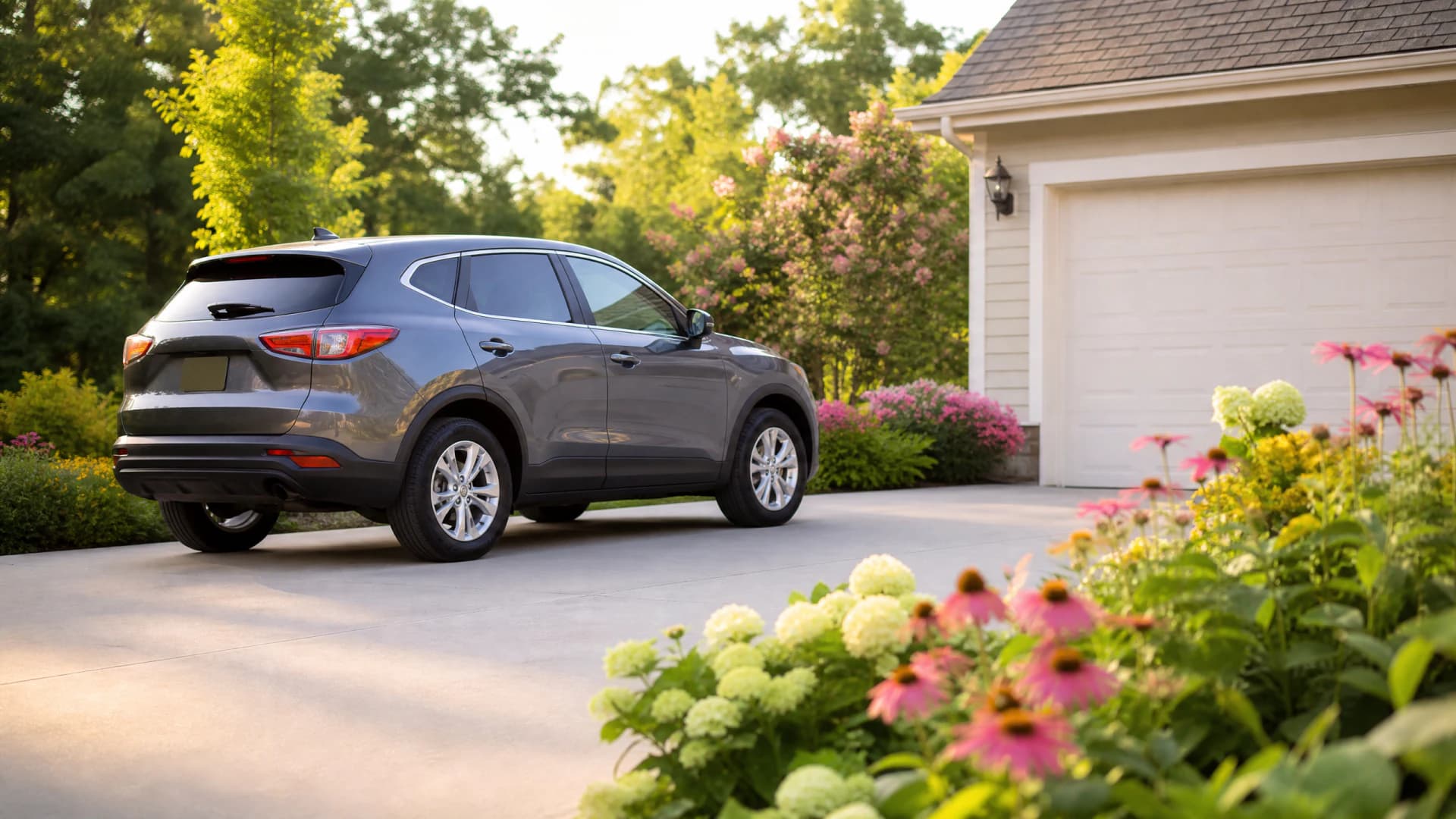

How Senior Driver Discounts Apply to Leased Vehicles
Mature driver discounts, low-mileage programs, and defensive driving course credits all apply to leased vehicles the same way they apply to owned vehicles — but you must maintain the coverage levels your lessor requires to access them. A mature driver discount of 5-15% still applies even when you're carrying higher liability limits, and completion of an approved defensive driving course can reduce rates by an additional 5-10% in most states.
The challenge for senior drivers is that low-mileage discounts — which can reduce premiums by 10-20% for drivers logging under 7,500 miles annually — require you to maintain full coverage you might otherwise drop on a paid-off vehicle. You're paying for comprehensive and collision coverage even if you drive 4,000 miles per year, though the discount partially offsets this requirement.
If you're leasing specifically because you drive less and want a newer, safer vehicle without the commitment of ownership, make sure your insurer accounts for your actual mileage. Many carriers offer usage-based programs that can reduce premiums by 15-30% for low-mileage senior drivers, even with lessor-required coverage levels. These programs use telematics or periodic odometer readings rather than estimates.

Put These Answers to Work on Your Rate
Compare Auto Rates for Senior DriversMedical Payments Coverage and Medicare Coordination
Lessors don't typically mandate medical payments coverage, but it serves a specific purpose for senior drivers on Medicare that becomes more relevant when you're driving a newer leased vehicle. Medical payments coverage (MedPay) pays immediately after an accident without waiting for fault determination or Medicare processing, covering deductibles, copays, and services Medicare doesn't cover in auto accidents.
Medicare is always secondary to auto insurance in accident situations, meaning your auto policy pays first. If you carry only state-minimum coverage and have significant injuries, you'll face Medicare deductibles and the 20% coinsurance on Part B services before Medicare pays. MedPay bridges this gap, typically available in $1,000-$10,000 increments for $5-15/month depending on your age and state.
For senior drivers leasing vehicles with advanced safety features — automatic emergency braking, lane departure warning, blind spot monitoring — the injury risk is lower, but the coverage gap between auto insurance and Medicare remains. Adding $5,000 in MedPay costs approximately $8-12/month for most senior drivers and eliminates out-of-pocket medical costs in most non-catastrophic accidents.

State-Specific Requirements That Override Lease Contracts
Some states mandate coverage types or limits that exceed typical lessor requirements, and these state mandates take precedence. In states requiring personal injury protection (PIP) or uninsured motorist coverage, you must carry these coverages regardless of what your lease contract specifies. Michigan, for example, historically required unlimited personal injury protection, though recent reforms allow seniors to opt for lower limits if they have Medicare.
Uninsured motorist coverage is mandatory in 20 states and highly recommended in all others, particularly for senior drivers in leased vehicles. If an uninsured driver totals your leased vehicle, you're still responsible for the full lease obligation. Uninsured motorist property damage coverage pays your lessor directly, protecting you from out-of-pocket lease payoff.
State minimum liability limits also matter when leasing. While your lessor might require $100,000/$300,000 liability, some states mandate higher minimums or offer specific senior driver provisions. Alaska requires $50,000/$100,000 minimum liability, while Maine requires $50,000/$100,000. Your lessor's requirements always meet or exceed state minimums, but understanding your state baseline helps you evaluate whether higher limits make sense for your situation.
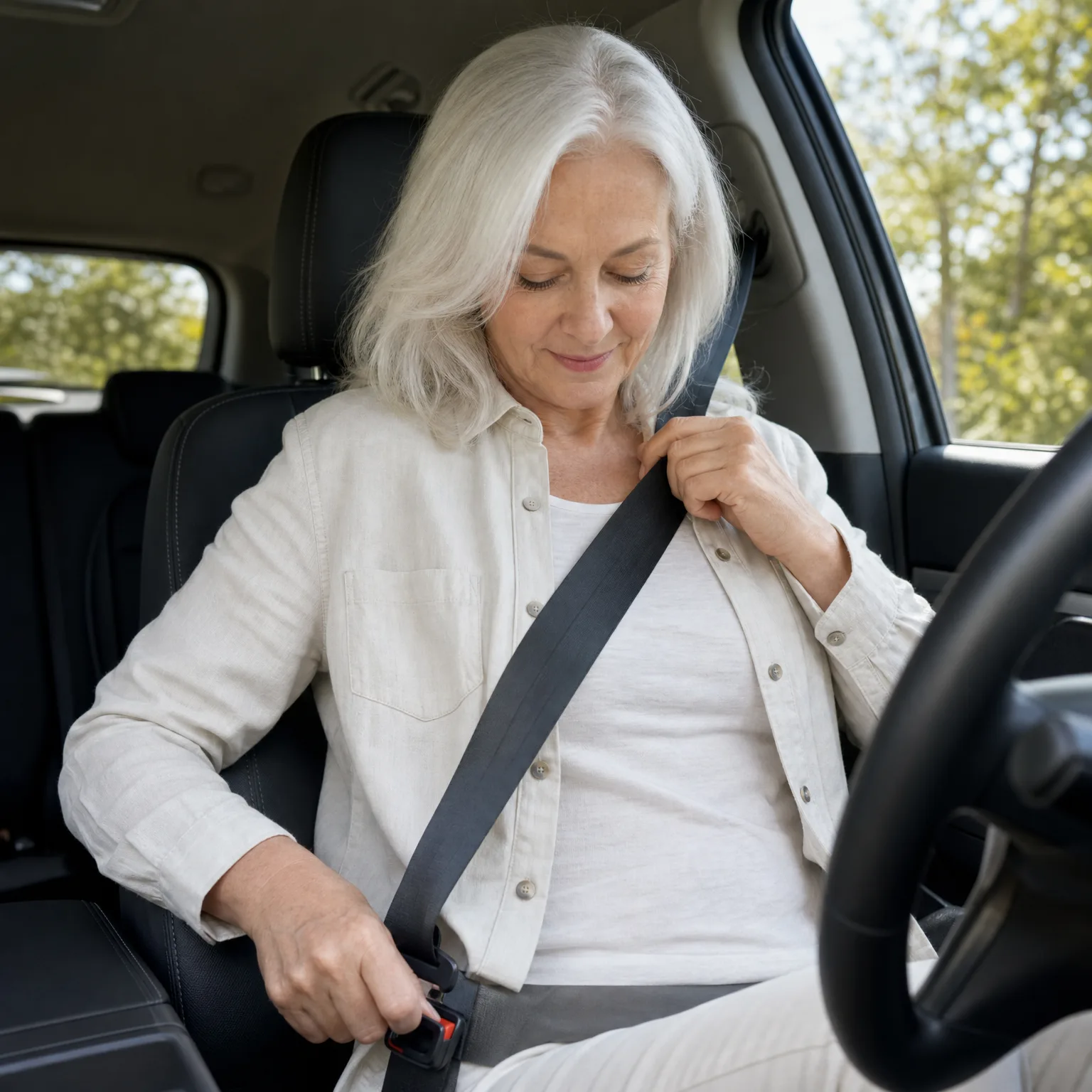
What Happens When Your Lease Ends: Coverage Transition
At lease-end, you have three options: return the vehicle, purchase it, or lease another vehicle. Each option changes your insurance requirements immediately. If you return the vehicle and don't lease or purchase another, you can drop to state minimums or cancel coverage — but maintaining continuous coverage prevents rate increases of 5-10% when you eventually need insurance again.
If you purchase the leased vehicle at lease-end, you become the owner, and lessor requirements no longer apply. Many senior drivers at this point reduce their comprehensive and collision deductibles to $1,000 or higher, or drop collision coverage entirely if the vehicle's value has decreased significantly. A vehicle worth $12,000 at lease-end might not justify $800/year in collision premiums with a $500 deductible.
If you lease another vehicle, your coverage requirements continue unchanged, but this is the moment to shop rates aggressively. Your three-year claims history and continuous coverage record position you for competitive rates, and senior-focused carriers often offer better lease-specific pricing than the carrier you've used for the expiring lease. Rate differences of 15-30% between carriers are common for senior drivers with clean records maintaining lessor-required coverage levels.
Frequently Asked Questions
Can I use my senior driver discount on a leased vehicle?
Yes, mature driver discounts, defensive driving course credits, and low-mileage discounts all apply to leased vehicles exactly as they would to owned vehicles. You must maintain the coverage levels your lessor requires to keep the policy active, but discounts reduce the premium on that required coverage.
What happens if I let my insurance lapse during my lease?
Your lessor will purchase forced-placed insurance and add it to your monthly lease payment, typically at rates 200-300% higher than market. This coverage protects the lessor's interest only, not your liability, so you'll need to purchase your own liability policy separately to drive legally.
Do I need gap insurance if I'm over 65 and leasing?
Most lease contracts either require gap insurance or include gap protection as a lease feature. If your lease contract doesn't include it, you should purchase it separately — the gap between your lease obligation and the vehicle's actual cash value can reach $5,000-$8,000 in the first year, and you're personally liable for this difference if the vehicle is totaled.
Can I reduce my coverage when my lease ends?
If you return the vehicle and don't lease or purchase another, yes — but maintaining continuous coverage prevents rate increases when you need insurance again. If you purchase the leased vehicle, lessor requirements end immediately and you can adjust coverage to match the vehicle's current value and your risk tolerance.
Related Articles

Van & SUV Insurance for Seniors: Rates After 65
4/11/2026

NJ Mature Driver Certificate: How to Apply
6/11/2026

Car Insurance for Seniors Driving Occasionally
4/11/2026

CT Senior Driver Insurance: Rates, Discounts & Coverage
4/7/2026
Alabama Senior Driver Insurance: Rates & Coverage After 65
4/7/2026

When Should Senior Drivers Stop? Insurance Signals
4/11/2026