
Senior Driver Car Insurance Discounts: The Complete Claim List
Compare Auto Rates for Senior DriversWhy Senior Discounts Don't Appear Automatically
Insurance companies rarely review your policy at renewal to add discounts you've become eligible for since last year. If you turned 65, completed a defensive driving course, or reduced your annual mileage into retirement, those discounts won't appear unless you contact your agent or carrier directly. Industry data suggests that 40–60% of senior drivers who qualify for multiple discounts are receiving only one or none.
The financial impact is substantial. A typical senior driver in their late 60s or early 70s who actively claims all applicable discounts saves $200–$400 annually compared to someone with an identical profile who accepts their renewal without review. In higher-cost states like Michigan, Florida, or California, that gap can exceed $600.
This pattern exists because policy systems flag discounts at the point of application or explicit update — not through ongoing eligibility monitoring. Your carrier knows your birth date, but the system won't automatically apply a mature driver discount when you hit the qualifying age unless that trigger is built into their renewal process. Most aren't.

Core Senior Discounts Available From Major Carriers
The mature driver discount is the foundation, typically offering 5–15% off your premium once you reach age 55, 60, or 65 depending on the carrier. State Farm, Geico, Progressive, and Allstate all offer versions of this discount, though the qualifying age and percentage vary. Some carriers increase the discount percentage at age 65 and again at 70.
Defensive driving course discounts are available in most states and can reduce your premium by an additional 5–10% for three years after course completion. AARP, AAA, and state-approved online providers offer courses specifically designed for drivers over 55. In states like New York, Florida, and California, carriers are required by law to offer this discount if you complete an approved course — but you must submit the certificate yourself.
Low mileage discounts reward drivers who log fewer than 7,500 or 10,000 miles annually, common for retirees no longer commuting. This discount ranges from 5–20% depending on how far below the threshold you fall. Some carriers now use telematics to verify mileage rather than relying on self-reported estimates, which can increase the discount if your actual driving is lower than you estimated at renewal.
Multi-policy bundling — combining your auto policy with homeowners, renters, or comprehensive coverage on a second vehicle — typically saves 10–25%. For senior drivers who own their home outright and have simplified their insurance portfolio, this remains one of the largest available discounts.

Lesser-Known Discounts Senior Drivers Qualify For
Paid-in-full discounts of 5–10% are available if you pay your six-month or annual premium upfront rather than monthly. For drivers on fixed incomes with predictable budgets, this is often feasible and saves $50–$150 per year on a typical policy. Some carriers also offer automatic payment discounts of 2–5% if you enroll in autopay from a checking account.
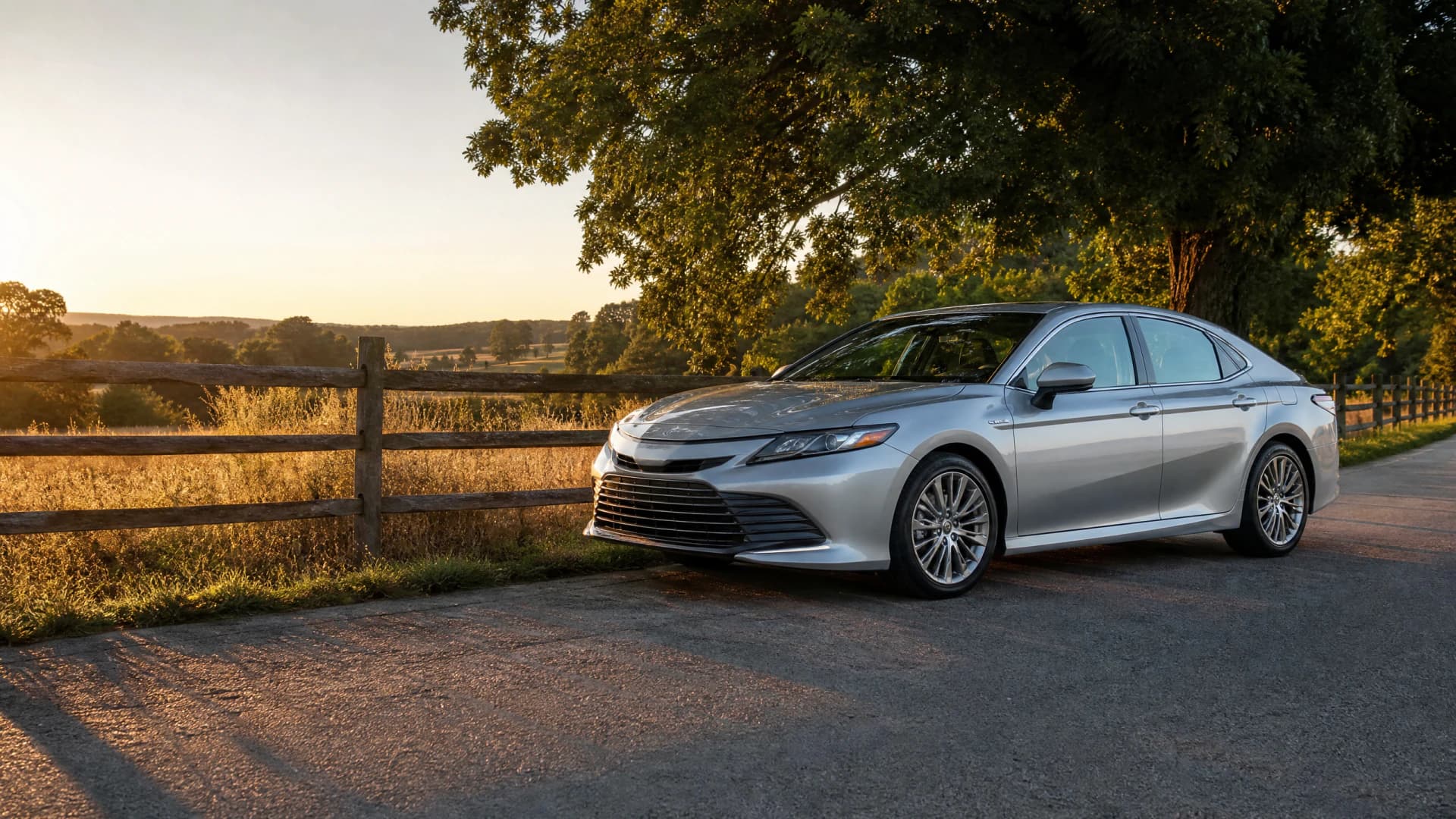
Vehicle safety feature discounts apply to cars with anti-lock brakes, electronic stability control, blind-spot monitoring, and automatic emergency braking. Many senior drivers who purchased vehicles in the last 5–7 years qualify for these discounts but never requested them because the features came standard and weren't highlighted at purchase. Anti-theft discounts for factory alarm systems or GPS tracking can add another 5–10%.
Good driver or accident-free discounts reward drivers with no at-fault accidents or moving violations in the past 3–5 years. Senior drivers often qualify for this by default given their lower accident rates, but it's not always applied unless you confirm your driving record is being reviewed at renewal. Some carriers offer loyalty discounts of 5–10% for customers who've been insured continuously for 5+ years, which many senior drivers meet automatically.
Retirement discounts, distinct from low mileage programs, are offered by a handful of carriers specifically for drivers who are no longer employed full-time. The logic is that retired drivers avoid rush-hour commutes and high-stress driving periods. This discount is rare but worth asking about — it's typically 5–7% and can stack with low mileage discounts if your carrier allows it.
Which Discounts Stack and Which Don't
Not all discounts can be applied simultaneously, and understanding the interaction rules prevents overestimating your savings. Mature driver discounts and defensive driving discounts usually stack, meaning you can claim both if you meet both qualifications. However, some carriers cap the combined total at 15–20%, so claiming both might get you to the cap faster but won't necessarily double your savings.
Low mileage and telematics-based usage discounts are often mutually exclusive. If you enroll in a usage-based program that tracks mileage, speed, and braking, the carrier will apply the discount generated by that program rather than a separate low mileage discount. In most cases, telematics programs offer larger discounts (up to 30%) for truly low-mileage, smooth driving patterns — but they require accepting monitoring.
Good driver and accident-free discounts are typically the same discount under different names, so you won't receive both. Multi-policy bundling discounts apply to the combined premium, not each policy individually, so the percentage saves more in absolute dollars the higher your total premium. If you're comparing quotes, ask explicitly which discounts can be combined and whether there's a cap on total discount percentage — some carriers limit combined discounts to 30–40% of the base premium regardless of how many you qualify for.

Put These Answers to Work on Your Rate
Compare Auto Rates for Senior Drivers
How to Request Discounts You've Missed
Start by reviewing your current policy declaration page, which lists all active discounts. Compare that list against the discounts outlined above and note any you qualify for but aren't receiving. Contact your agent or the carrier's customer service line directly — email requests often go unanswered or take weeks, while phone calls typically resolve within one conversation.
When you call, be specific: "I completed an approved defensive driving course on [date] and want to confirm the discount is applied." Or: "I retired last year and now drive fewer than 7,000 miles annually — does my policy reflect that?" Agents are more responsive to direct requests than general questions about "what discounts are available."
If you completed a defensive driving course, you'll need to submit a certificate of completion. Most state-approved providers email a PDF certificate within 24–48 hours of finishing the course. Upload it through your carrier's online portal or email it to your agent with your policy number in the subject line. The discount is typically applied at your next renewal, not retroactively, so submit certificates 30–60 days before renewal to ensure processing.
For mileage-based discounts, be prepared to provide an odometer reading or agree to a mileage verification method. Some carriers will ask for a photo of your odometer at renewal; others may require enrollment in a telematics program. If your actual mileage is significantly lower than what's on file, updating this one data point can trigger a 10–20% reduction immediately.
When Discounts Don't Offset Age-Based Rate Increases
Senior discounts reduce your premium from what it would otherwise be, but they don't necessarily prevent increases. Auto insurance rates typically rise 10–20% between age 65 and 75, with steeper increases after age 70 in most states. Even with a 15% mature driver discount and a 10% defensive driving discount, your net premium may still increase if the base rate adjustment for your age bracket is 30%.
This is why annual rate shopping becomes more important after 65, not less. Carriers weigh age differently in their pricing models — some penalize drivers over 70 heavily, while others maintain stable rates into the mid-70s. A carrier that offered you a competitive rate at 65 may no longer be your best option at 72, even with all applicable discounts applied.
If your premium increased at renewal despite no claims or violations, request a detailed explanation of the rate factors that changed. Age adjustments, ZIP code re-ratings, and statewide base rate increases all compound and aren't always disclosed clearly on renewal notices. Understanding which factors drove the increase helps you decide whether switching carriers or adjusting your liability coverage limits makes sense.
State-Specific Senior Discount Requirements
Some states mandate that carriers offer specific discounts to senior drivers who meet certain criteria. In California, drivers over 55 who complete an approved mature driver course must be offered a discount, though the percentage is set by each carrier. New York requires insurers to provide a discount of at least 10% for drivers over 55 who complete a state-approved defensive driving course, and the discount must remain in effect for three years.
Florida law requires carriers to offer discounts for mature driver course completion, and many Florida insurers also offer discounts for drivers who avoid accidents after age 65. In Pennsylvania, drivers over 55 can take a defensive driving course every three years to maintain a discount, and the state maintains a list of approved course providers on the Pennsylvania Department of Transportation website.
These state-mandated discounts are in addition to voluntary discounts carriers may offer. If you live in a state with mandated senior discounts and aren't receiving them, contact your state's Department of Insurance — this is a compliance issue, not a courtesy. For drivers comparing rates across state lines or relocating in retirement, understanding which discounts transfer and which are state-specific affects your total cost significantly.
Frequently Asked Questions
Do senior driver discounts apply automatically when I turn 65?
No, most carriers do not automatically apply mature driver discounts when you reach the qualifying age. You must contact your agent or carrier directly to request the discount, even though they have your birth date on file. The discount typically applies at your next renewal after you request it, not retroactively.
Can I stack a mature driver discount with a defensive driving course discount?
Yes, most carriers allow you to combine mature driver discounts with defensive driving course discounts, though some cap the total combined discount at 15–20%. Check with your specific carrier to confirm stacking rules and whether there's a maximum total discount percentage that applies across all discounts.
How often do I need to retake a defensive driving course to keep the discount?
Most states and carriers require you to retake an approved defensive driving course every three years to maintain the discount. Some carriers notify you 30–60 days before the discount expires, but many do not — it's your responsibility to track the expiration date and re-enroll in time for renewal.
Will a low mileage discount reduce my rate if I drive less than 5,000 miles per year?
Yes, driving fewer than 5,000 miles annually typically qualifies you for the maximum low mileage discount, often 15–20% depending on the carrier. You'll need to provide odometer readings or enroll in a telematics program to verify your mileage, and the discount adjusts at each renewal based on actual usage.
Does Medicare affect whether I need medical payments coverage on my auto policy?
Medicare Part B covers some accident-related injuries regardless of fault, but medical payments coverage on your auto policy can cover deductibles, co-pays, and services Medicare doesn't cover. Many senior drivers maintain lower medical payments limits (e.g., $1,000–$5,000) as secondary coverage rather than dropping it entirely.
Related Articles

Van & SUV Insurance for Seniors: Rates After 65
4/11/2026
NJ Mature Driver Certificate: How to Apply
6/11/2026
Car Insurance for Seniors Driving Occasionally
4/11/2026

CT Senior Driver Insurance: Rates, Discounts & Coverage
4/7/2026

Alabama Senior Driver Insurance: Rates & Coverage After 65
4/7/2026

When Should Senior Drivers Stop? Insurance Signals
4/11/2026